Every day your recruiters spend manually sending status updates, interview confirmations, and follow-up emails is a day your top candidates are quietly entertaining competing offers. Research shows that 84% of applicants expect some form of email response early in the hiring process, yet most staffing agencies are still handling this through a patchwork of manual
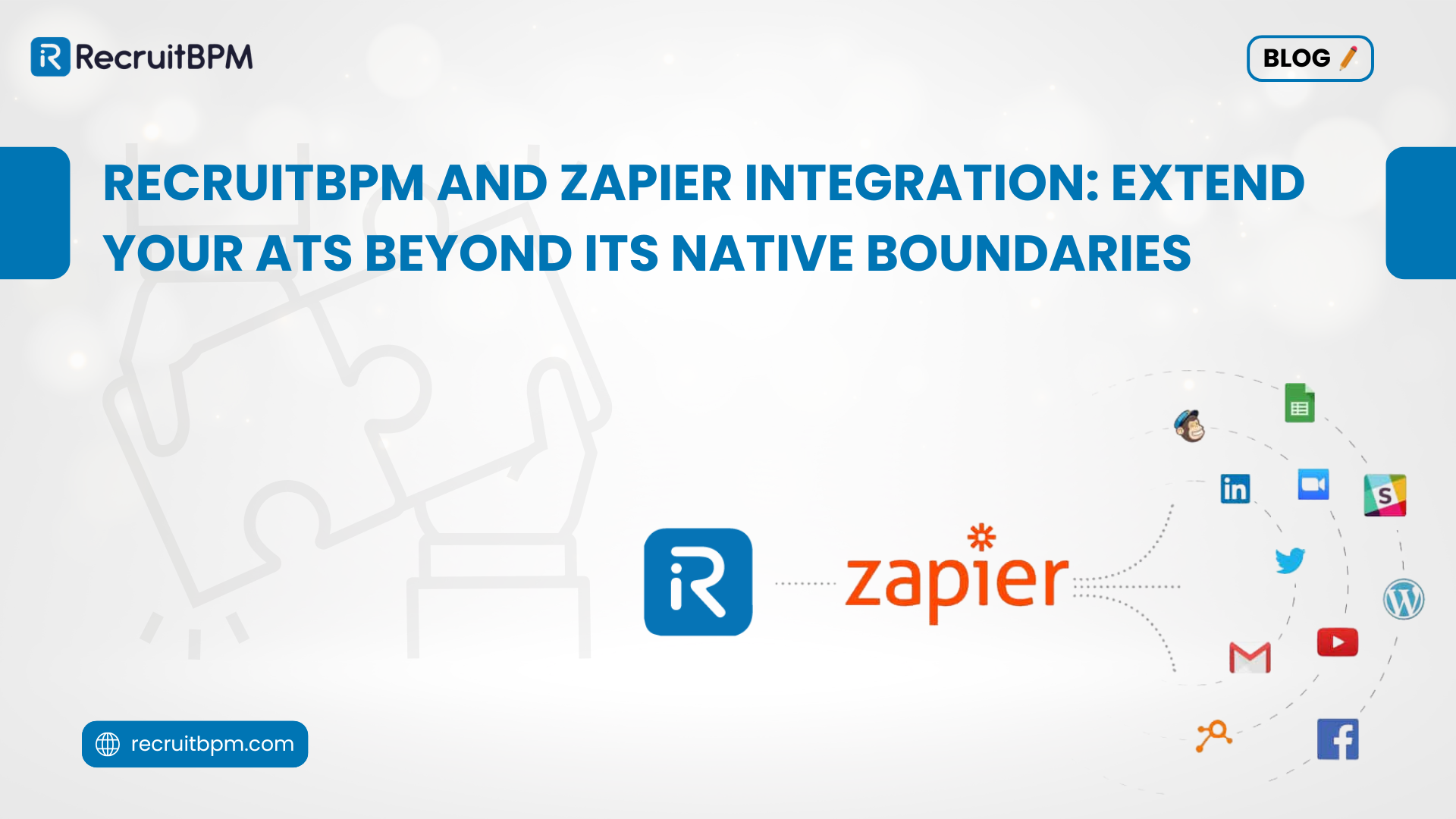
RecruitBPM already handles a lot. Candidate automation, client CRM, back-office ops, and reporting, it’s built to run the recruiting side of your agency end-to-end. So where does Zapier fit? Zapier doesn’t replace what RecruitBPM does. It extends it. Specifically, it bridges the gap between RecruitBPM and the external tools your agency runs that sit outside
You could hire the most technically skilled candidate in your pipeline and still produce a failed placement. If that person can’t communicate clearly with a client, collaborate effectively with a team, or adapt their communication style to different audiences, the skills on their resume don’t deliver the results the client is paying for. Research from
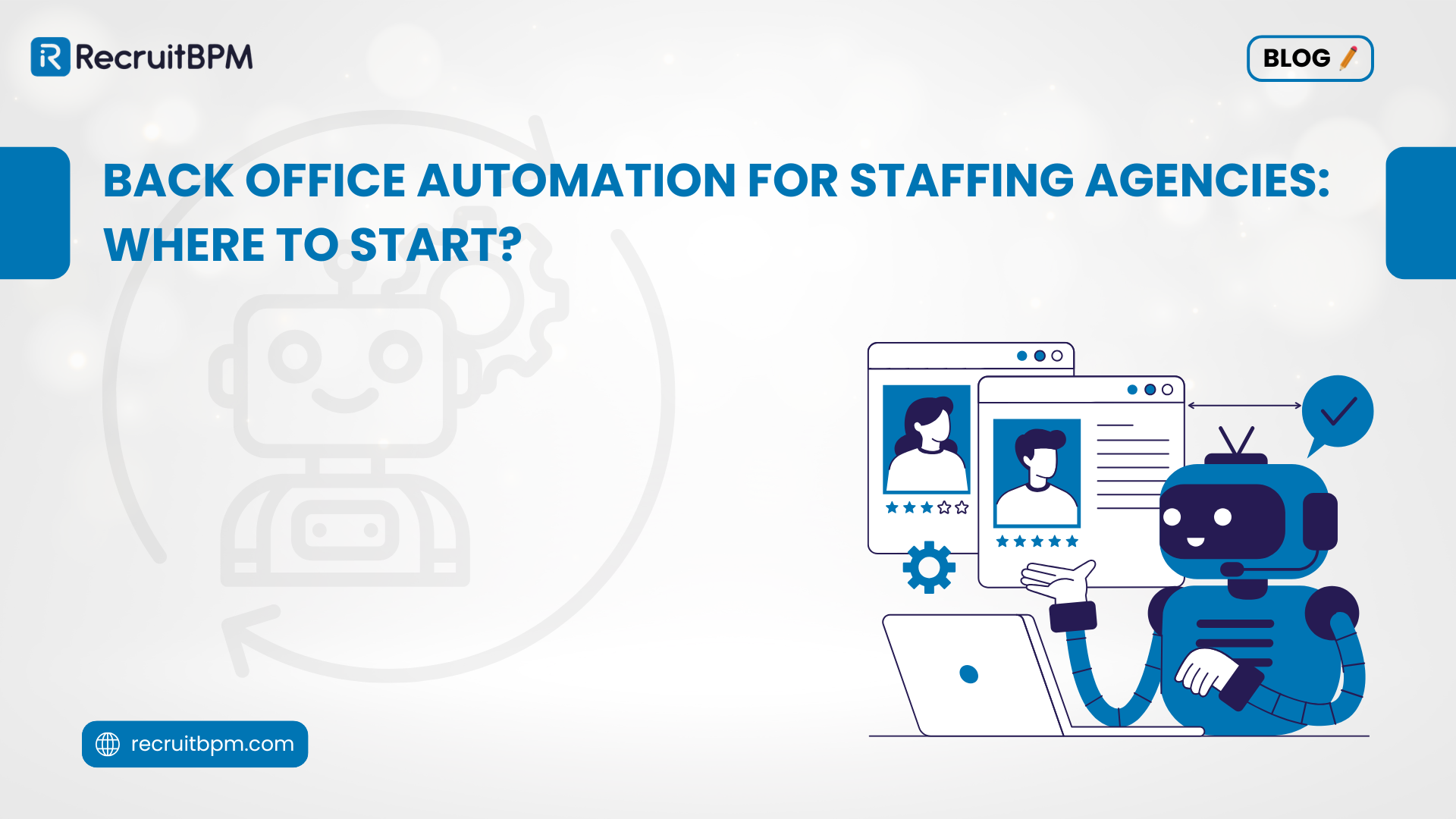
Most staffing agencies that struggle with back-office automation don’t have a technology problem. They have a sequencing problem. They try to automate invoicing before their timesheet data is reliable. They connect their ATS to QuickBooks before contractor records are structured correctly. They buy tools that solve step three before step one is working. Back office
Partnering with the wrong staffing agency doesn’t just waste your recruiting budget. It wastes your hiring managers’ time, introduces mismatched employees into your organization, and creates legal exposure if the agency’s compliance practices don’t hold up. Yet most employers spend less time vetting their staffing partner than they spend interviewing a single candidate. The result
A recruiter finds the perfect candidate. The client is ready to move. And then the offer sits in someone’s inbox for four days waiting for a manager’s sign-off. By the time approval comes through, the candidate has accepted elsewhere. This scenario plays out constantly in staffing agencies that rely on email for approval processes. It’s
Most ATS platforms are built for corporate HR teams filling a dozen roles a year. You’re running a staffing agency. You’re managing multiple clients, hundreds of active candidates, and job types that change every week. The workflow a single-client in-house team needs has almost nothing in common with what your agency needs, and buying the
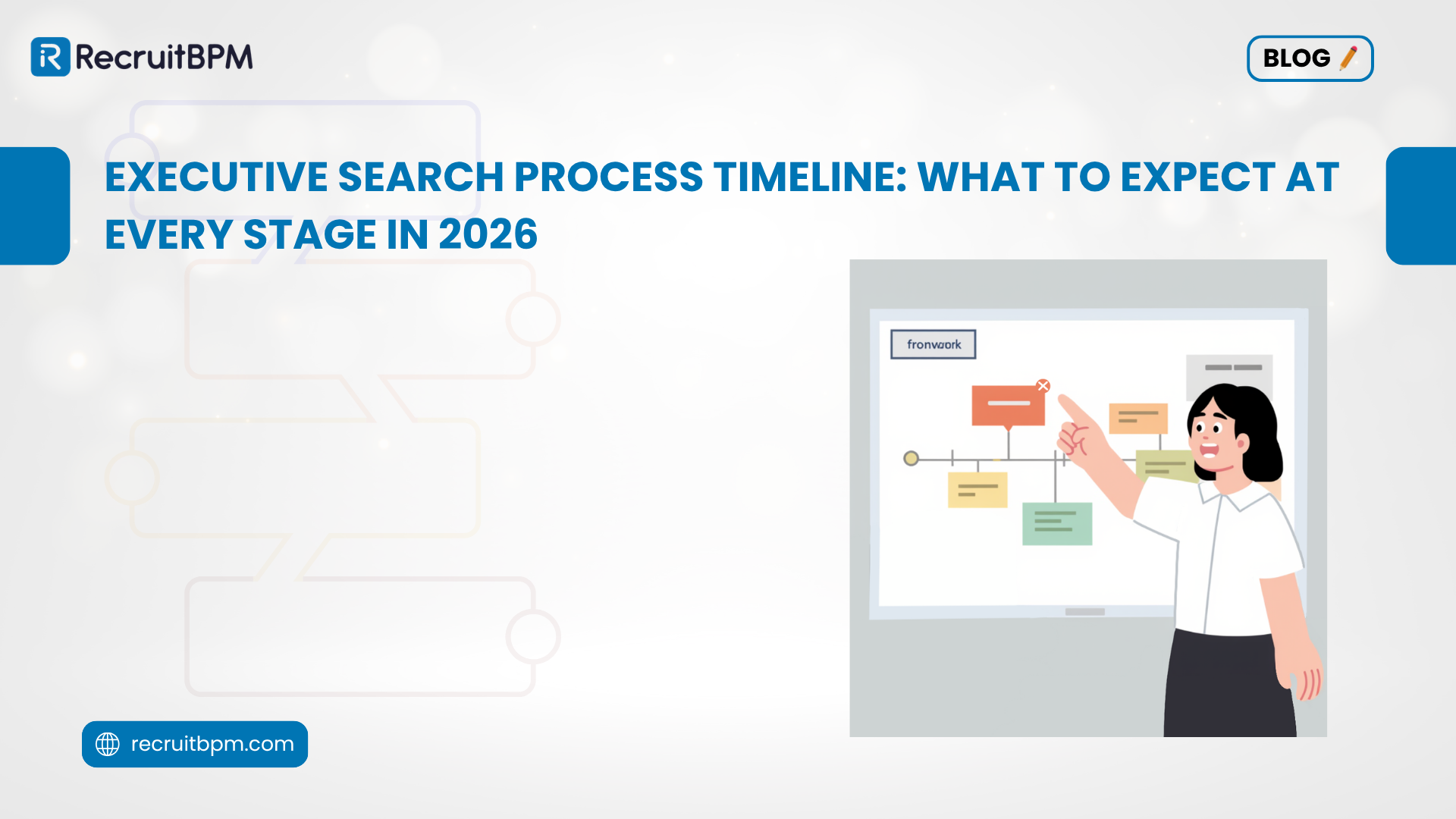
Here’s something most clients don’t want to hear: a well-run executive search takes 3–6 months. And that’s for a search that goes smoothly. When stakeholders are misaligned, the mandate is unclear, or the candidate pool is thin, it takes longer. Trying to compress that timeline without the right process in place doesn’t speed up the
The wrong executive hire costs more than the salary. It fractures culture, stalls strategy, and forces a restart that can take another six months to recover from. That’s not a hypothetical risk; it’s a regular outcome for organizations that apply a standard recruitment playbook to a non-standard hiring challenge. Executive tier hiring demands something different.
Six to nine months. That’s how long companies typically spend trying to fill a senior executive position. Some searches stretch past a year. And while those timelines might sound like a client problem, they’re very much a staffing agency problem too because the agency managing the search is accountable for every week that a seat