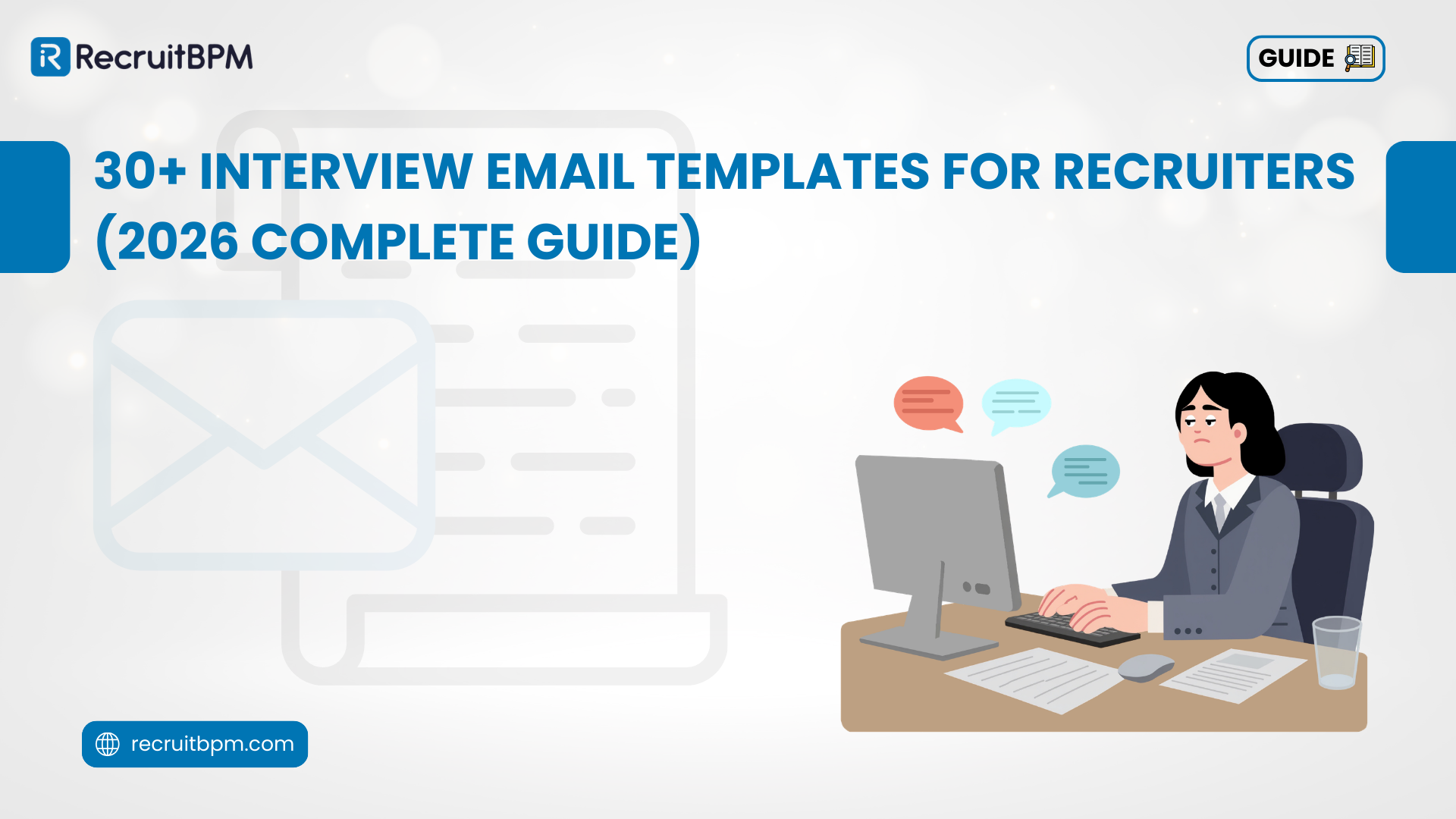
Recruiting top talent has never been more competitive, and the way recruiters communicate with candidates has never mattered more. In 2026, candidates expect fast responses, personalized messaging, and clear information at every stage of the hiring process. A single delayed or generic email can push a strong candidate toward a competitor. Interview email templates solve
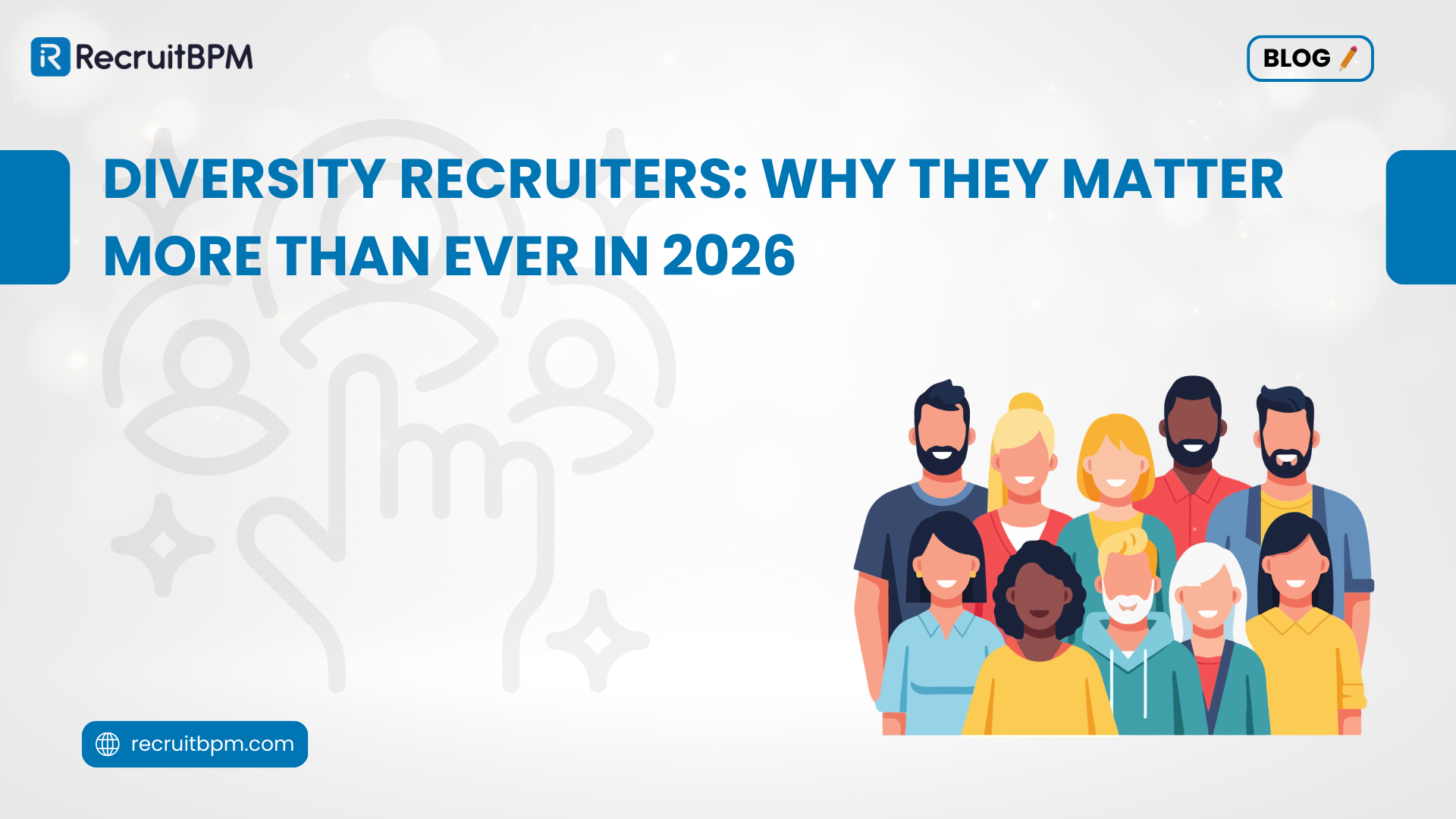
Diversity recruiting has moved from a feel-good initiative to a measurable business strategy, and in 2026, the stakes are higher than ever. With AI reshaping hiring pipelines, new compliance laws taking effect across the US and Europe, and a workforce that increasingly evaluates employers on inclusion before accepting an offer, the role of the diversity
Picking the wrong recruitment software doesn’t just slow your hiring. It quietly drains your budget, fragments your workflow, and frustrates your team. In 2026, the Recruitee vs RecruitBPM decision is one more example of how staffing agencies and recruiting firms often get it wrong because they compare features without considering fit. This article breaks down
Your best hires are probably not scrolling job boards right now. They are busy excelling at their current roles, completely invisible to your recruiting pipeline. The only way to reach them? Through the people who already know them, your employees. That is where employee referral software steps in. It transforms the age-old practice of word-of-mouth
You’re evaluating tools to sharpen your talent acquisition process. ERIN keeps coming up in your research. So does RecruitBPM. They both show up in “staffing software” searches, but here’s what most comparison articles won’t tell you upfront: these two platforms are not even trying to do the same thing. One is a narrow employee referral
Here’s what the recruitment landscape looks like in 2026: there are more job seekers than open positions in most markets, yet 75% of organizations still report difficulty filling full-time roles. The paradox isn’t a supply problem; it’s a tools and techniques problem. Most hiring teams are either drowning in applications they can’t evaluate efficiently or
Here’s a number that should stop any hiring manager cold: 52% of job seekers walk away from offers because of a poor recruitment experience, not because of salary, not because of the role, but because of how they were treated during the process. Meanwhile, companies that invest in creating a positive candidate experience report a
You’re evaluating recruiting software. You’ve landed on two names: JobAdder and RecruitBPM. Both claim to streamline hiring. Both position themselves as all-in-one platforms. But dig deeper, and the differences become hard to ignore, especially for staffing agencies managing high-volume placements, client relationships, and back-office operations simultaneously. This comparison gives you an honest, side-by-side breakdown of
Hiring teams face a common challenge today. Candidates expect instant responses while recruiters juggle hundreds of applications simultaneously. This disconnect creates frustration on both sides. Talented candidates drop out of lengthy processes while recruiters struggle to maintain personalized engagement at scale. Recruitment chatbots bridge this gap effectively. These AI-powered tools automate repetitive tasks while maintaining
Creating a positive candidate experience is crucial for organizations looking to attract and retain top talent. In today’s competitive job market, job seekers have more choices than ever before, and a negative experience during the hiring process can significantly impact their decision to accept an offer or recommend the company to others. To improve candidate