Hiring has never been more competitive or more complicated. The average open position now attracts hundreds of applications, top candidates accept offers in under a week, and the tools your team uses to manage all of it can either accelerate the process or quietly kill it. A recruitment management system is at the center of
Most searches don’t fail because you picked the wrong candidate. They fail before you talk to a single person because the brief was vague, the process was slow, or the tools couldn’t keep up. The executive search process has always been high-stakes. In 2026, it’s also high-speed. Passive candidate pools are shrinking. Client expectations are
Most contingent agencies don’t have a placement problem. They have a profit problem. You’re filling roles. Your recruiters are busy. But cash flow is unpredictable, clients are working with four other agencies on the same job order, and your best candidates get poached mid-process. The no-win-no-fee model promises freedom you only earn when you deliver.
The average cost per hire hit $4,700 in 2026, according to SHRM. For executive placements, you’re looking at $28,000 or more. Those numbers alone should stop any staffing agency operator in their tracks. But here’s what most cost-per-hire guides won’t tell you: the agencies bleeding money aren’t the ones spending too much on job boards.
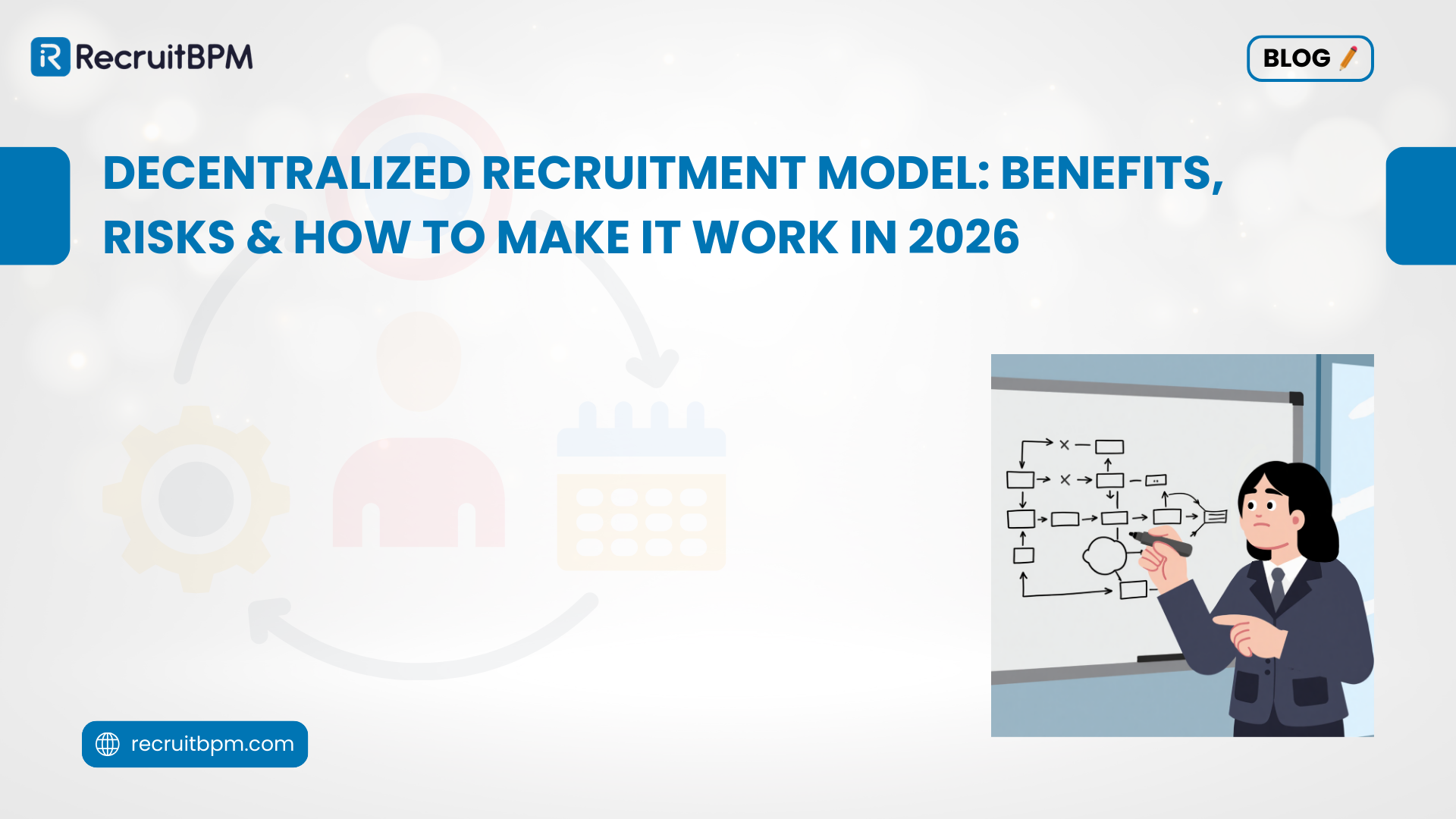
Most staffing agencies know the pain of a centralized talent acquisition process gone wrong. One overloaded HR team. Dozens of open roles. Hiring managers wait weeks for a shortlist that barely fits what their department actually needs. That’s the core problem the decentralized recruitment model was designed to solve. But in 2026, the model itself
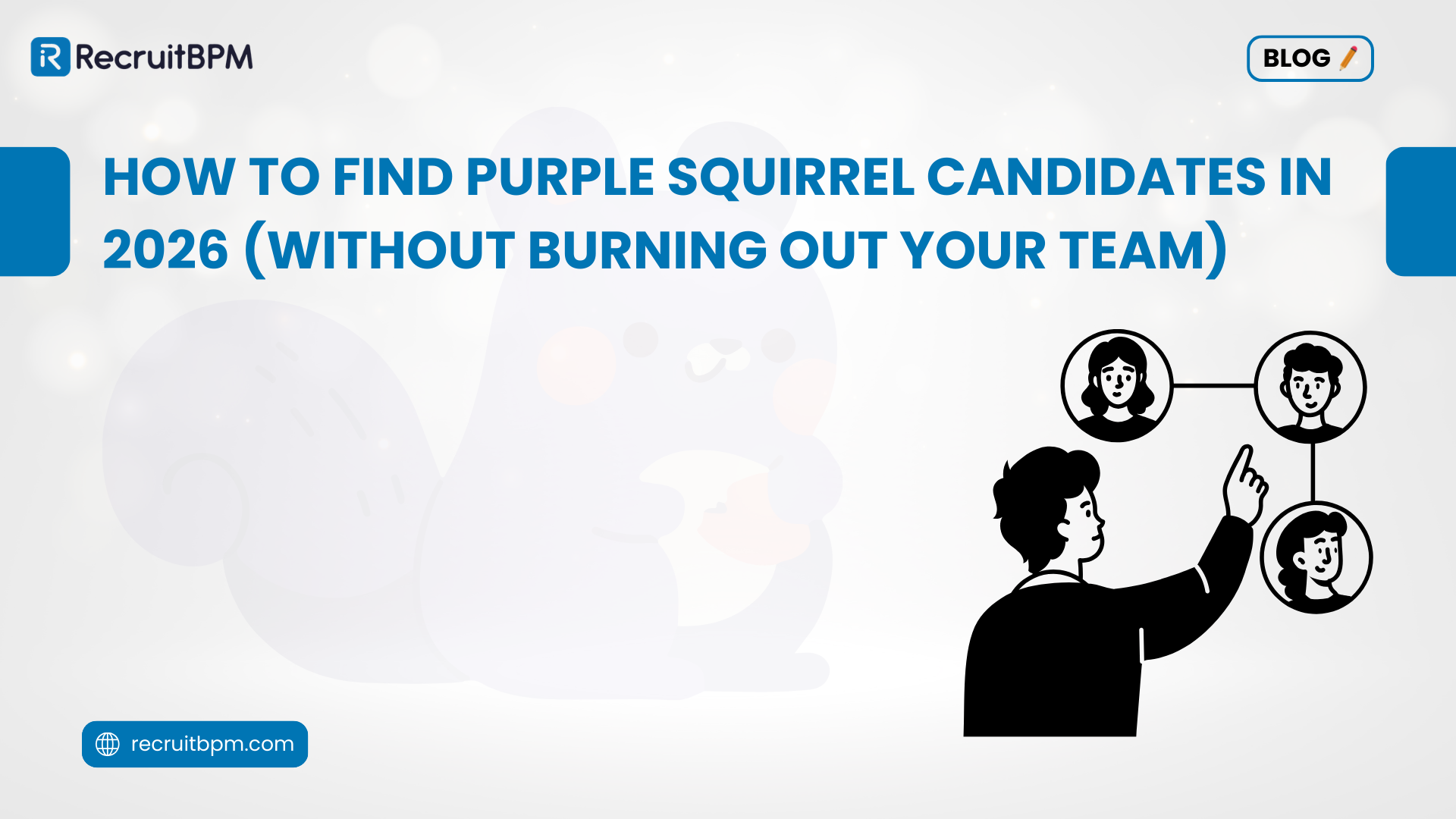
Every staffing agency has been here. A client hands you a job description that reads like three roles stitched together. The search drags on for months. Your recruiter is exhausted. Your client is frustrated. And somewhere in the back of your mind, you wonder: Does this candidate actually exist? In talent acquisition, that mythical candidate
Your next placement is already in your database. You just haven’t reached them yet. Most staffing agencies lose contractors to competitors not because they lack talent, but because no one called before the contract ended. Candidate redeployment is the strategy that closes that gap. It turns one-time placements into recurring revenue, reduces your dependency on
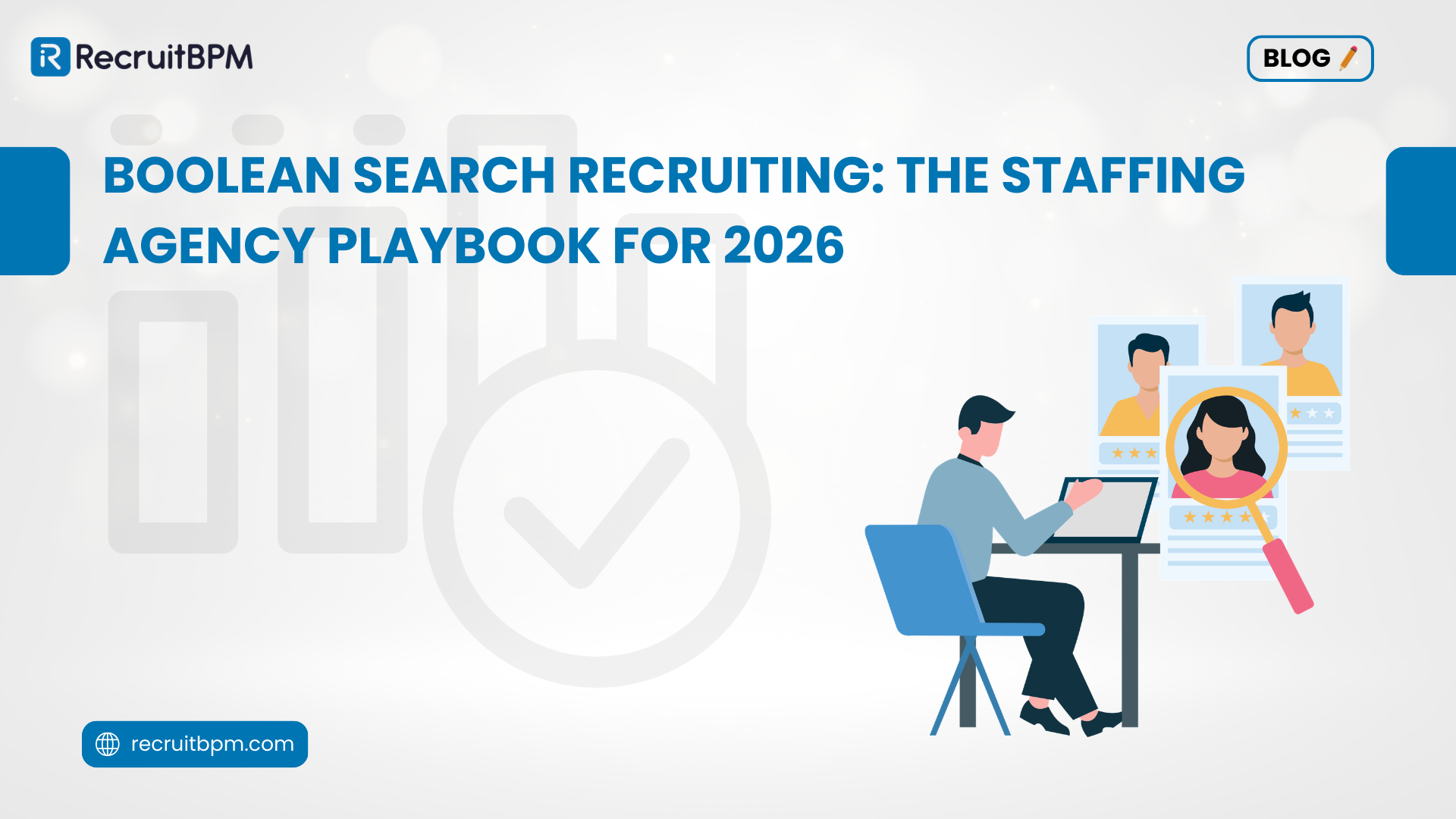
Most staffing agencies treat Boolean search like a checkbox skill. They learn AND, OR, NOT, and stop there. Meanwhile, their recruiters burn hours scrolling through irrelevant profiles, miss qualified passive candidates hiding in plain sight, and wonder why their applicant tracking system feels like it’s working against them. Boolean search recruiting isn’t just a sourcing
Recruitment fees can feel like a black box. You know you’re paying something, but you’re not always sure what that “something” covers, whether it’s fair, or how it compares to what others are paying. That confusion is costly. For staffing agencies, unclear fee structures stall client relationships. For employers, misunderstanding fee models leads to budget
High-volume recruiting has always been demanding. But in 2026, the rules have changed. More candidates are applying than ever before. AI-assisted job applications mean a single posting can attract thousands of submissions overnight. Yet most staffing agencies report that quality has dropped, not improved. You’re swimming in applications and drowning in noise. This guide is