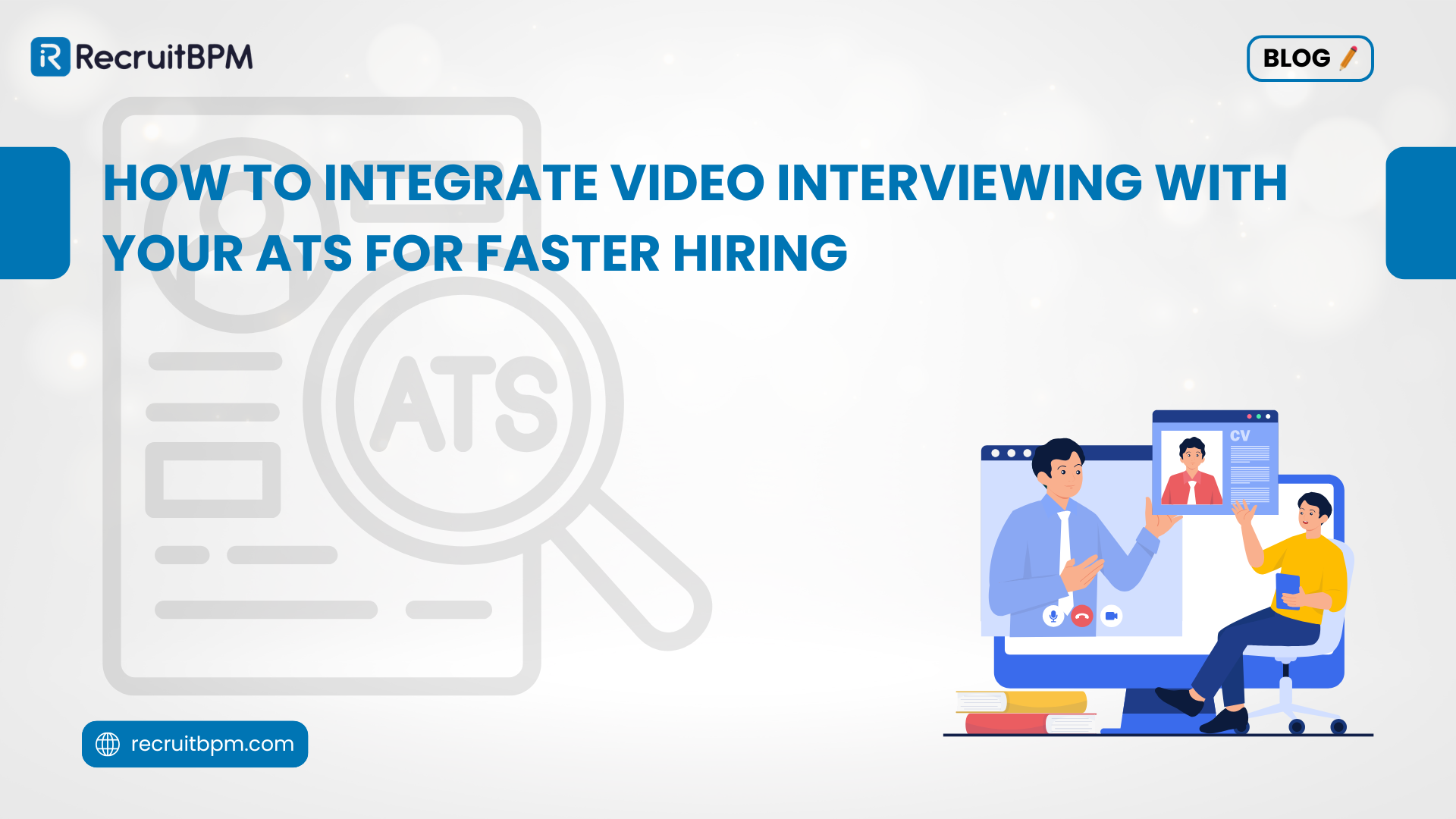
Great candidates disappear fast when your hiring process moves slow. Every extra email, scheduling call, or manual step gives a competitor time to make an offer first. That is why more recruiting teams are integrating video interviewing directly into their applicant tracking system. In this article, you will learn why ATS video interview integration matters,

Boolean search once felt like a superpower for recruiters. Today it feels like a puzzle with too many broken pieces. Recruiters spend hours building complex strings, only to miss strong candidates hiding behind different job titles or phrasing. That frustration is why AI search is quickly becoming the new standard for sourcing talent. Unlike Boolean
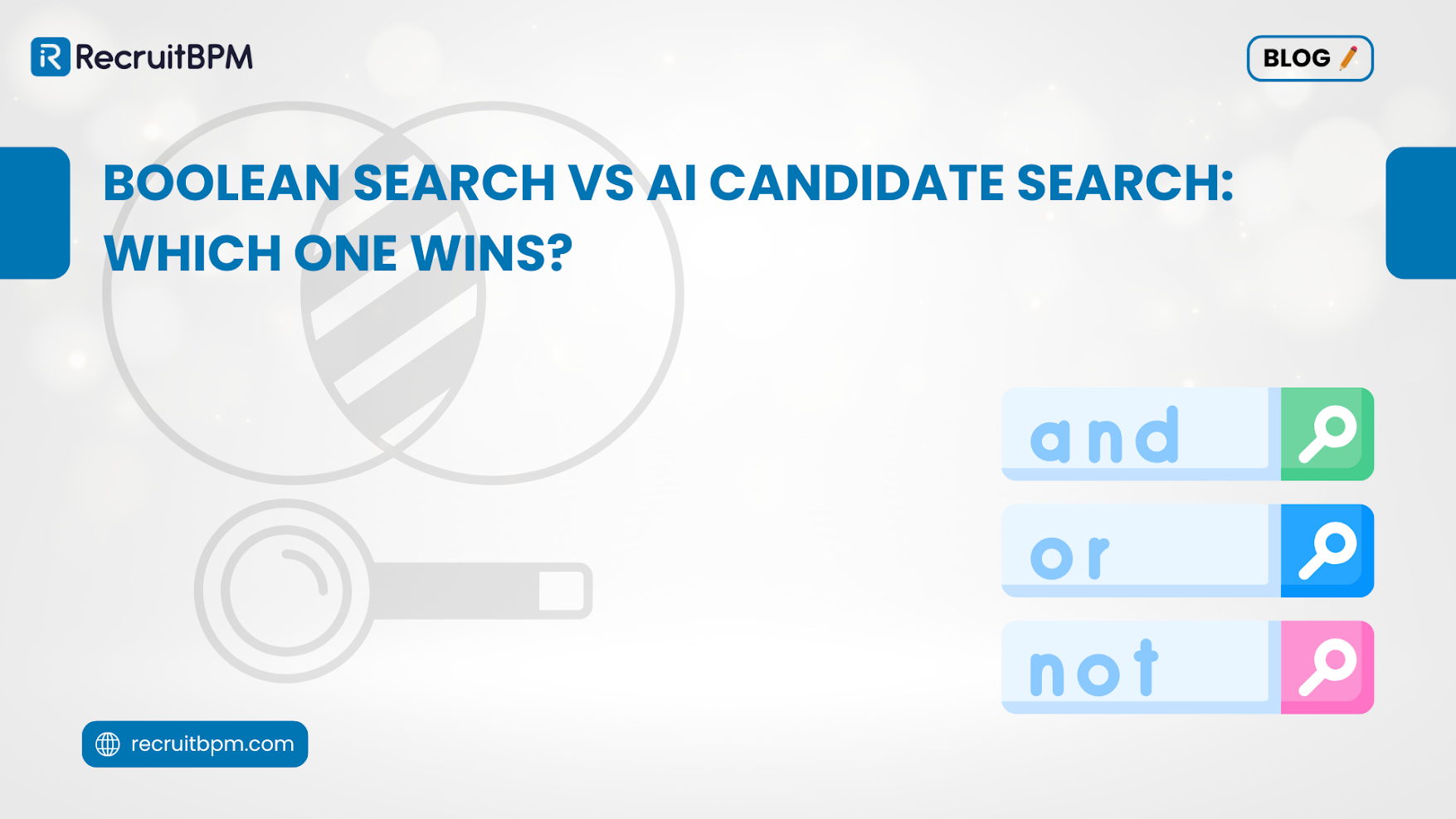
Every recruiter has typed a long string of AND, OR, and NOT operators, hoping the perfect candidate pops up. That is Boolean search, and for years it was the only real sourcing tool recruiters had. Now AI candidate search promises to find the same candidate in seconds, without the operators. So which method actually gets
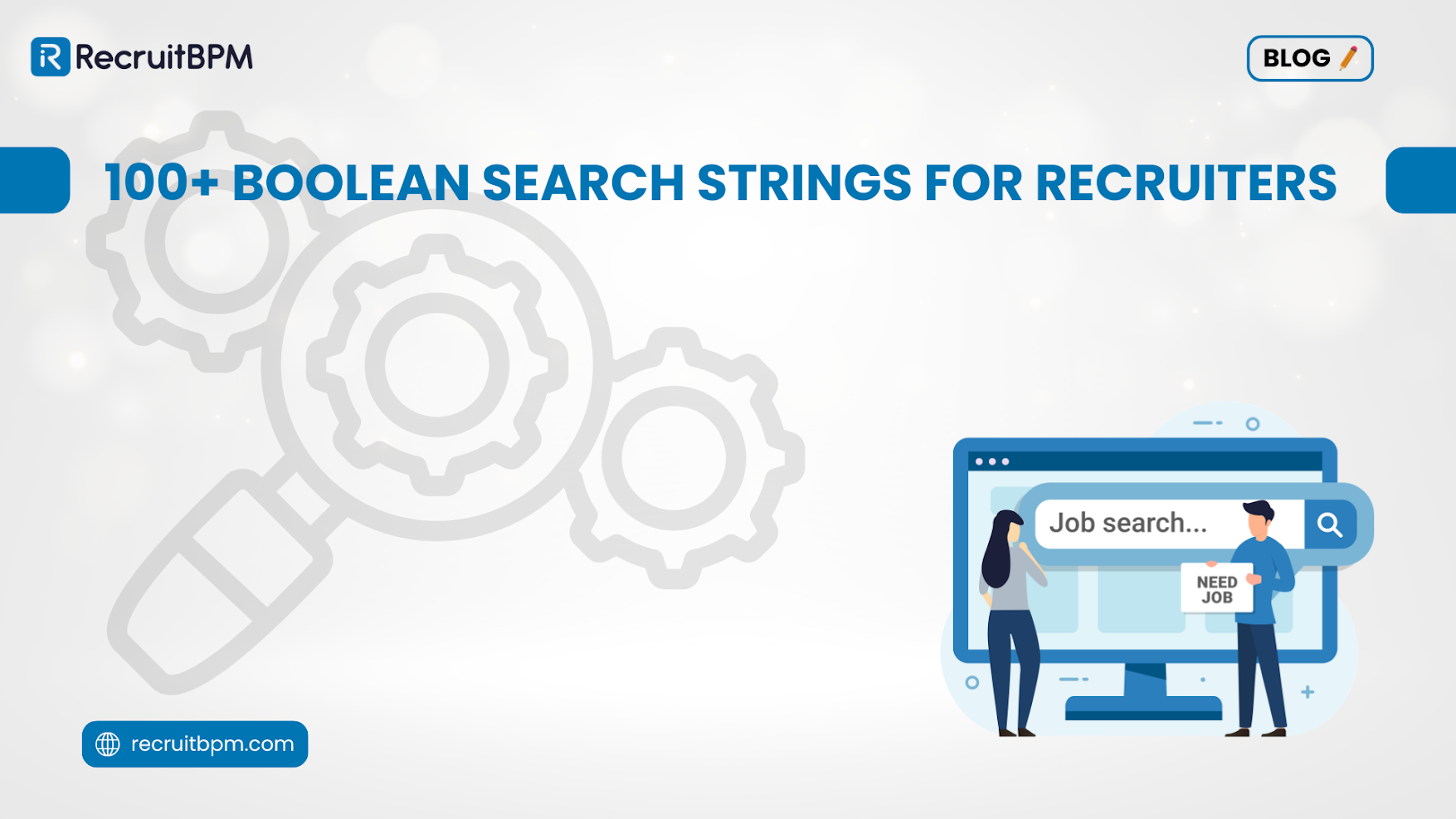
Sourcing the right candidate shouldn’t feel like searching for a needle in a haystack. Boolean search strings let recruiters filter through millions of profiles in seconds instead of hours. Below you’ll find over 100 ready to use Boolean strings for tech, sales, healthcare, finance, and diversity sourcing. Why Boolean Search Strings Matter for Modern Recruiters?

Peak recruiting season catches many staffing teams off guard every single year. Client requests pile up, requisitions multiply, and recruiters scramble to fill roles they didn’t see coming. Forecasting hiring demand is the difference between reacting to chaos and walking into peak season prepared. In this article, you’ll learn how to read the signals that
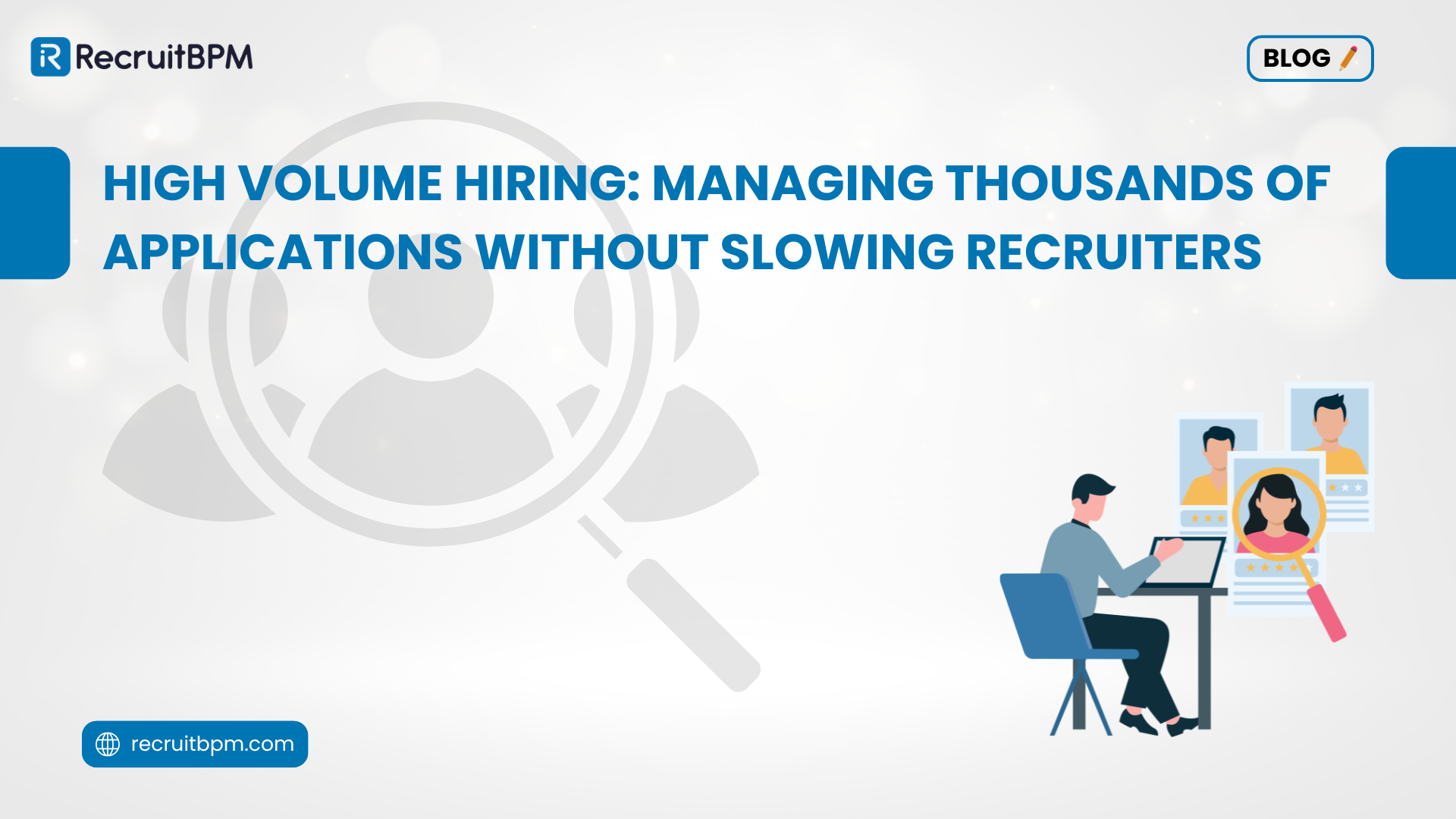
A single job posting can pull in hundreds of applications within days. For high volume roles across retail, healthcare, logistics, and customer service, that number climbs into the thousands. High volume hiring puts real pressure on recruiting teams who still need to move fast and choose well. This article breaks down why the volume itself
Every staffing agency knows the feeling. Client demand spikes overnight, and suddenly your team is scrambling to fill roles that needed candidates weeks ago. Peak hiring season does not have to catch you off guard. This article walks through what peak season actually looks like, why last minute preparation backfires, and exactly how far in

Top candidates disappear within days, sometimes hours, of entering the job market. An omnichannel recruiting strategy closes that gap by meeting candidates wherever they already are, from job boards to social platforms to your own career site. This article breaks down what omnichannel recruiting actually means, why disconnected sourcing efforts fail, and how to build
Your best hires might be coming from a channel you barely invest in. Source of hire is the metric that tells you where your winning candidates actually come from, not just where they applied. When you track it well, you know exactly which channels deserve more budget and which ones are quietly wasting your time.
Every open requisition spends budget before it produces a single hire. Job boards, referral programs, agencies, and social campaigns all draw from the same pool of dollars. Yet most talent teams still can’t say which channel actually delivers results. Source of hire analytics fixes that blind spot. It shows exactly where your best candidates originate,