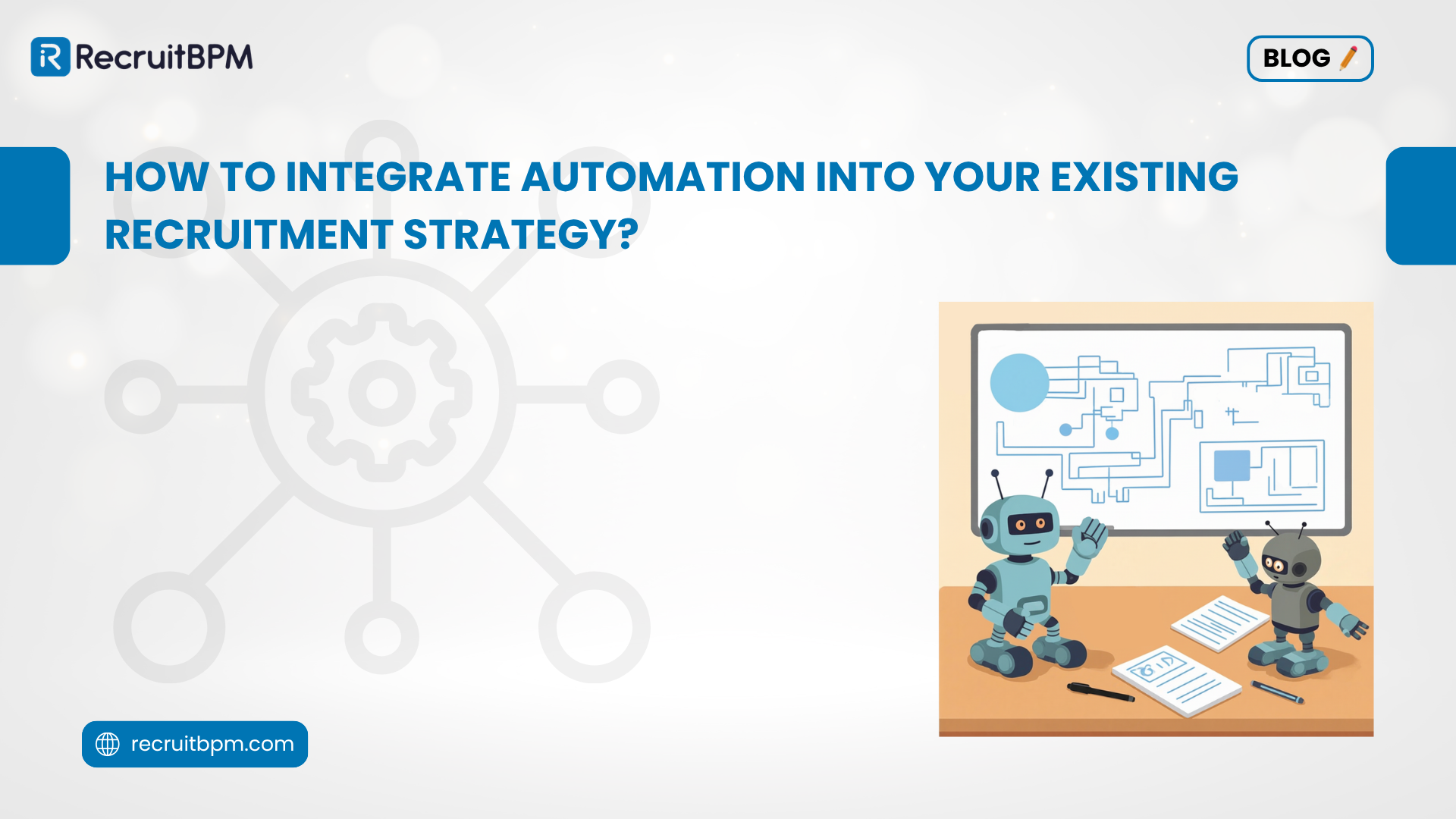
Most automation guides start with the assumption that you’re building from scratch. But if you’re already running a staffing agency with an established workflow, a team of recruiters, and a client base to protect, the question isn’t whether to automate. It’s how to integrate automation into what already exists without breaking what already works. That’s
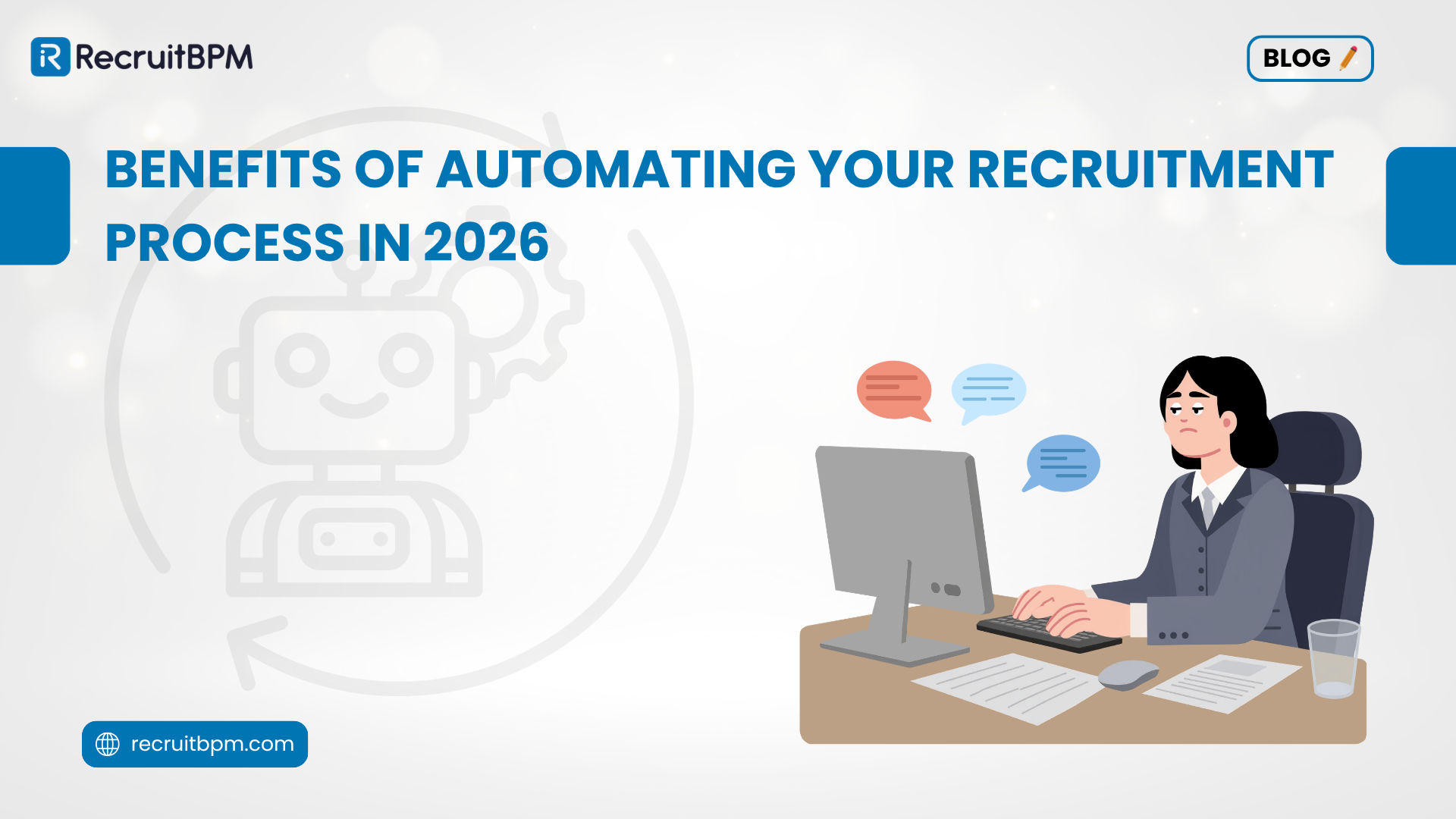
Your recruiters are spending up to 45% of their time on tasks that a well-configured platform could handle in seconds. Resume screening, follow-up emails, interview scheduling, and job board posting all of it eats into hours that should go toward building client relationships and closing placements. The benefits of automating the recruitment process aren’t abstract.
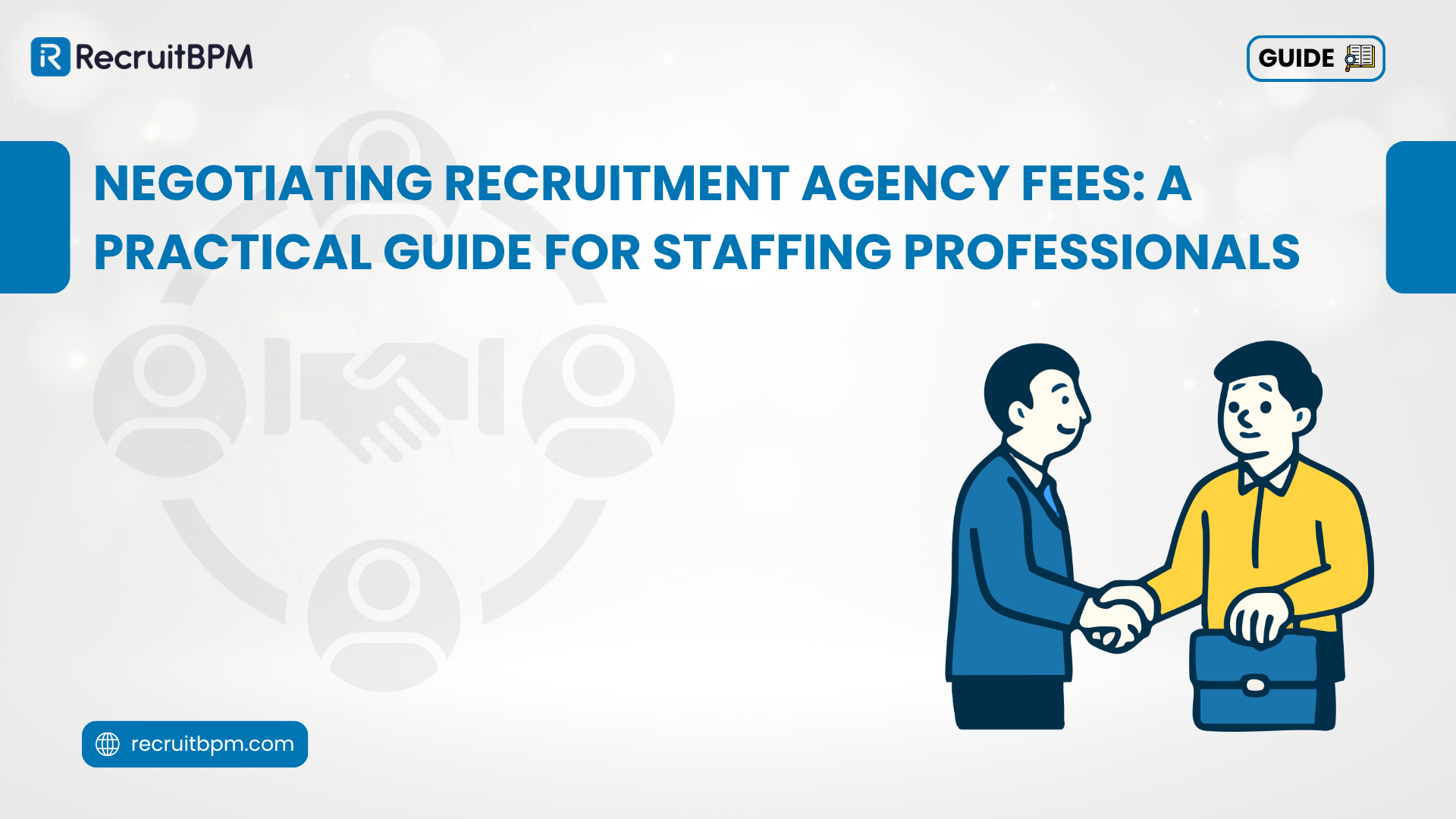
The moment a prospective client says, “Your fee seems high” is not a pricing problem. It’s a value communication problem. And confusing the two leads most recruiters to make concessions they didn’t need to make at a cost that compounds across every engagement that follows. Negotiating recruitment agency fees is part of every staffing professional’s
Most people don’t plan to become a staffing recruiter. They fall into it through a temp agency job, a career pivot, or a recommendation from a colleague who said, “You’d be good at this.” And then they discover that being good at it requires a specific combination of skills that nobody teaches in a formal
The promise of Recruiting-as-a-Service (RaaS) is compelling: a dedicated recruiting partner that embeds into your operation, moves at your pace, and delivers placement outcomes without the overhead of an in-house team. The reality depends almost entirely on whether that partner actually integrates with how your team works or simply adds another workflow layer you have
Most staffing agency founders start the same way: one person doing everything. Sourcing candidates, managing client relationships, screening applications, coordinating interviews, and handling back-office administration all before lunch. That model has a ceiling. It’s not a strategy; it’s a starting point. And the agencies that grow past it do so by understanding which roles their
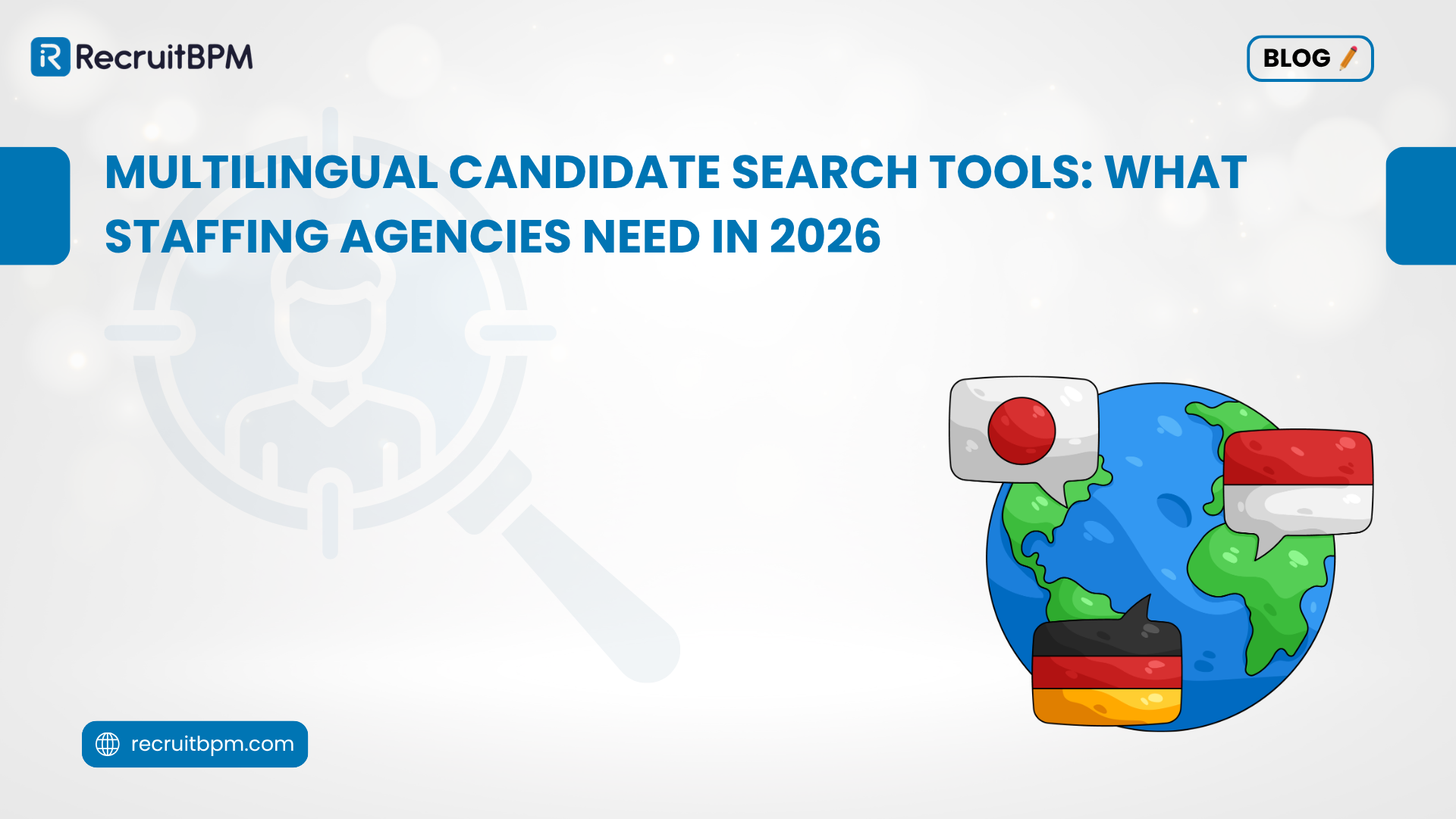
The talent you’re looking for doesn’t always speak your language or post their resume in it. As staffing agencies expand into global placements and clients increasingly hire across borders, multilingual candidate search has shifted from a niche capability to a competitive requirement. Yet most ATS platforms were designed around English-language workflows. The gap between what
The recruiting technology market offers hundreds of tools promising to make your team more efficient. Most of them do for 90 days. Then the novelty wears off, the workflow gaps resurface, and you’re back to evaluating the next solution with a slightly larger monthly subscription bill. Long-term hiring efficiency doesn’t come from collecting tools. It
Every staffing agency makes placement mistakes. The ones that grow are the ones that treat those mistakes as process failures, not personnel failures, and fix the underlying workflow rather than hoping the next recruiter does better. Minimizing errors in your recruitment process isn’t about eliminating human judgment. It’s about building the right structure around that
Before you contact a recruitment agency, you need to understand what you’re actually buying and how the fee is calculated. The staffing industry doesn’t make this easy. Most agencies don’t publish prices. Fee structures vary by engagement type. And the total cost of a hire often looks very different from the percentage on the invoice.