Your applicant tracking system handles job postings and candidate applications. But what happens when top talent isn’t actively applying? Most recruiting happens outside the traditional application process. You source passive candidates, nurture relationships over months, and build talent pools for future roles. Your ATS wasn’t designed for this. This is where recruitment CRM technology changes

Social media has transformed how staffing agencies connect with candidates. Your next hire is scrolling LinkedIn right now. They’re watching company culture videos on Instagram. They’re reading employee reviews on Facebook. Traditional job boards no longer deliver the results they once did. Candidates want authentic glimpses into workplace culture before applying. They research companies on

Starting a staffing firm remains one of the most accessible entrepreneurial ventures in 2025. The global staffing industry generated $584 billion in revenue in 2024, with a projected 6.2% annual growth rate through 2028. Small and mid-sized agencies capture approximately 43% of this market share. Why the Staffing Industry Remains Lucrative? The talent shortage continues

Passive candidates aren’t actively job hunting, but they’re often your best hires. These professionals are currently employed and satisfied enough not to browse job boards. Yet they remain open to compelling opportunities. The competition for top talent has never been fiercer. Active candidates represent only 30% of the workforce. The remaining 70% are passive—exactly where
Diversity in recruiting has come a long way. Since employees’ demographics change and international markets develop, company’s diversity moves closer to turning into a corporate requirement in place of a banner that corporations do waive to display their obligation to accepting differences and change. Workers draw tangible and intangible advantages from company, not the minimum of
The war for talent has never been more competitive. Every hour counts when pursuing top candidates. Speed determines whether you secure the perfect hire or watch them accept another offer. Traditional recruiting methods can’t keep pace with modern expectations. Candidates expect immediate responses and streamlined communication. Email sits unread for hours or days. Phone calls
The recruitment landscape has transformed dramatically. Competition for top talent intensifies daily as candidates gain more options and higher expectations. Traditional hiring methods no longer deliver the results your agency needs. Modern candidates research companies thoroughly before applying. They expect mobile-friendly applications, transparent communication, and streamlined processes. Your recruiting strategy must evolve to meet these
Staffing agencies waste hours switching between Resume-Library and their ATS. You search for candidates, copy profiles manually, and lose productivity to repetitive data entry. RecruitBPM’s Resume-Library integration eliminates these workflow gaps. Search, filter, and import candidates directly into your recruitment pipeline without leaving your ATS. This integration reduces time-to-hire by up to 33% according to
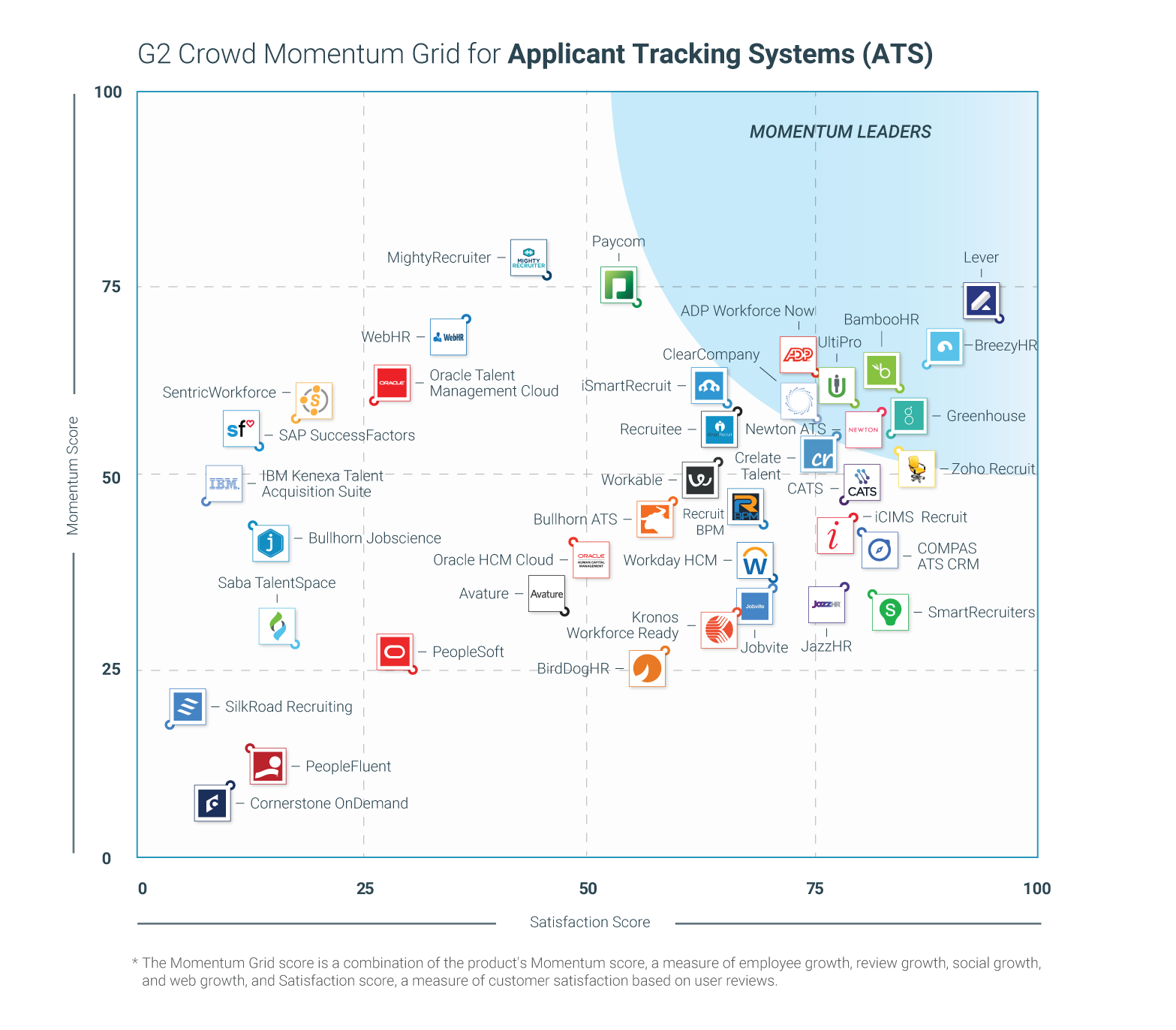
When it comes to top applicant recruiting systems on the market today, RecruitBPM’s name is up there. According to the G2 Crowd’s Momentum Report, RecruitBPM ranks at #18 in momentum. Moreover, RecruitBPM’s rapid enhancements and continuous upgrades has led the brand from top 100 to top 20 ATS among the market leaders. What Applicant Recruiting Systems
Tracking potential candidates and maintaining a substantial database of resumes is always a challenging task for recruiters. To find the best fitting candidate, recruiters also have to search for passive candidates on different online platforms. Although in recent years, applicant tracking system and talent acquisition tools simplified the hectic and time-consuming hiring tasks, but it