A client calls to tell you they’re pausing all hiring. No timeline. No explanation. Just a freeze. If you’re running a staffing agency, that call is one of the most disruptive things you can hear, especially when it comes from a major account. Revenue stalls, active searches get cancelled, and your pipeline suddenly has no
Manufacturing talent doesn’t behave like tech talent. Candidates aren’t on LinkedIn. They’re not refreshing job boards. And when you post a generic job ad for a CNC machinist or quality inspector, you get silence or a flood of unqualified applications. The staffing agencies winning in manufacturing aren’t searching harder. They’re researching smarter. They understand the
Most people asking how much recruiters make per placement are thinking about one number. The real answer is a chain of numbers, and every link in that chain is a decision your agency makes. The client pays a fee. The agency keeps a portion. The recruiter earns a split of what remains. Each of those
Most staffing guides explain backfilling for in-house HR teams. But your situation is different. You’re not filling a gap in your own org; you’re filling gaps inside multiple client sites simultaneously, often without a full handoff from the person who just left. Backfill positions are some of the most time-pressured searches you’ll run. A client
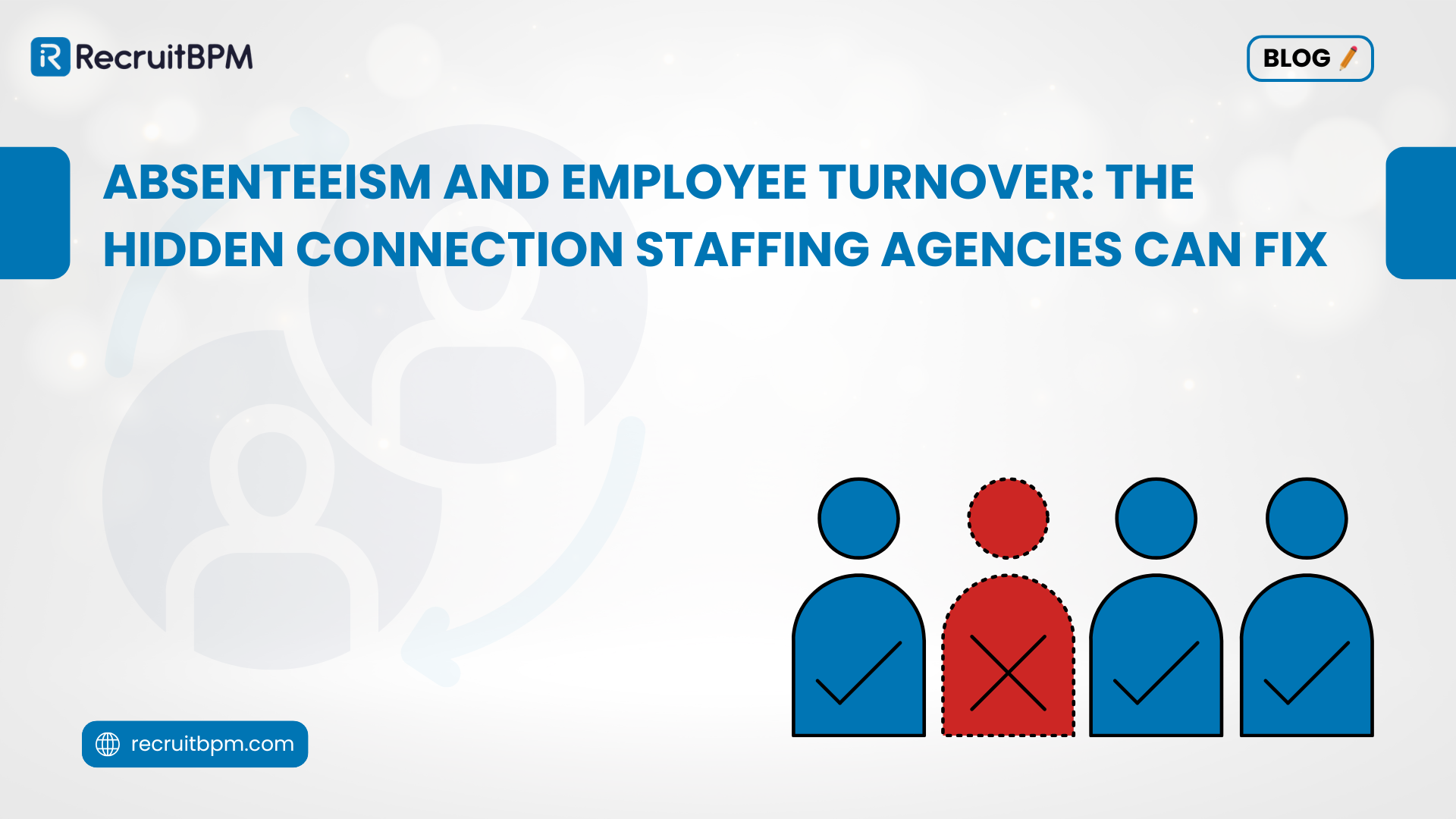
Absenteeism doesn’t announce itself as a crisis. It starts small, a few missed shifts, some late arrivals, a pattern that seems manageable. But according to research from the Integrated Business Institute, illness-related absenteeism alone costs US employers $575 billion annually. The deeper problem is what absenteeism signals: disengagement, poor fit, and the early stages of
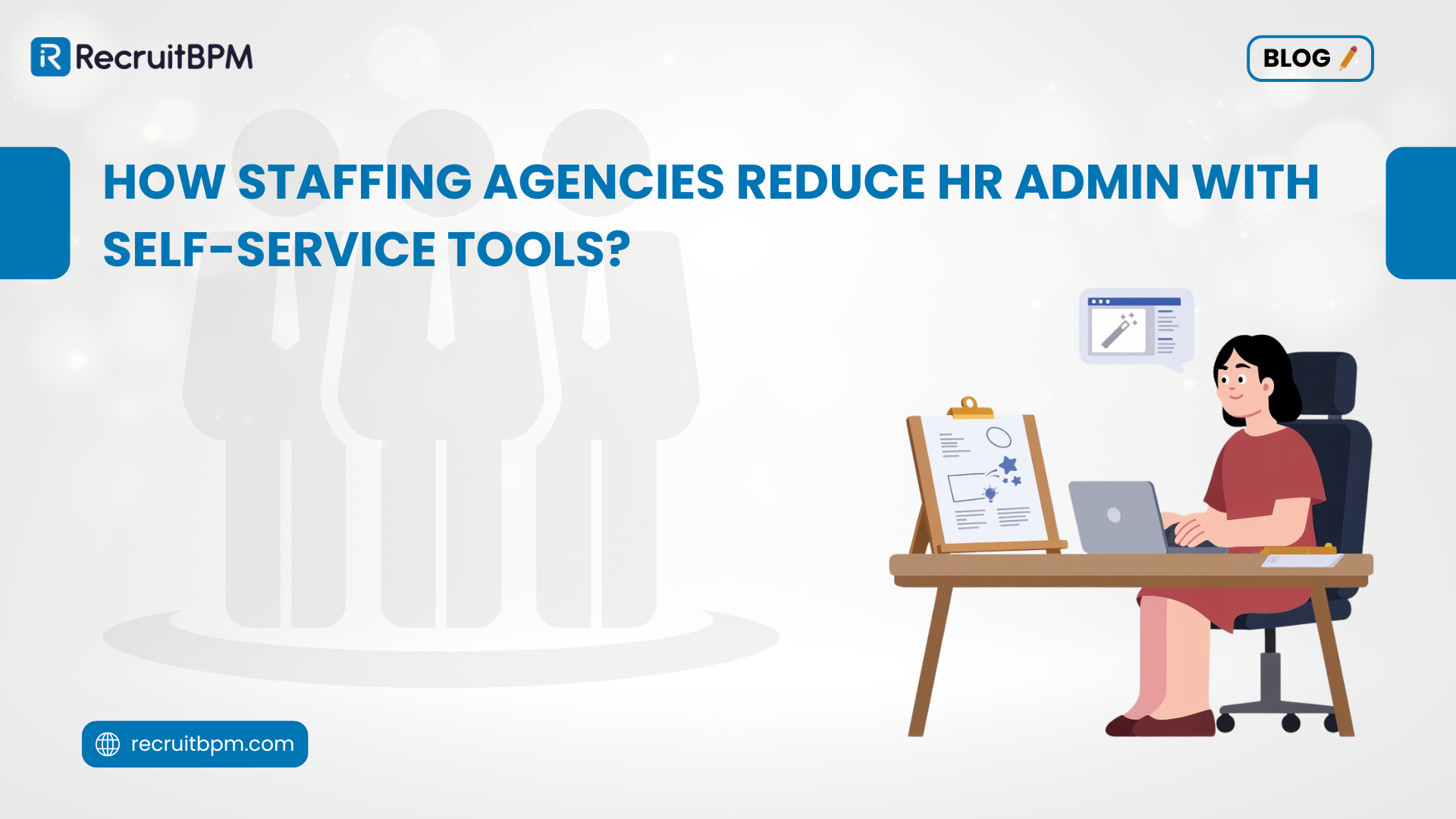
HR admin doesn’t announce itself as the reason your agency isn’t growing. It shows up quietly in the recruiter who can’t make a follow-up call because they’re updating a contractor’s bank details, in the finance team member who spent Friday morning chasing missing timesheets, in the 45-minute Tuesday afternoon that disappeared into leave balance questions.
Your recruiter spent 40 minutes this week answering questions that a contractor portal should have handled automatically. Pay stub access. Leave balance. Bank account update. Job assignment details. These aren’t complex problems; they’re administrative requests that consume recruiter time at the exact moments that time should be going toward placements. An employee self-service portal for
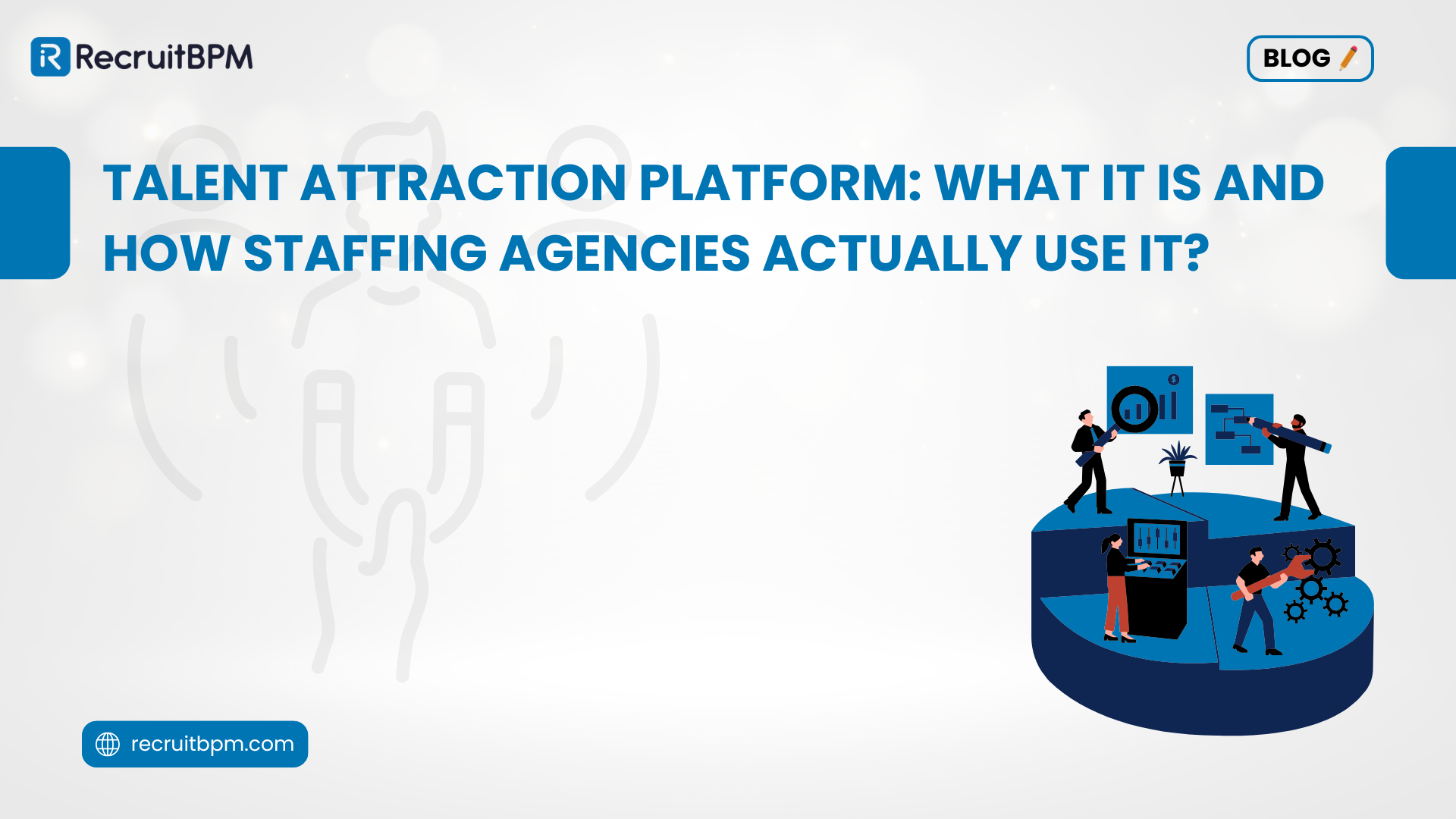
Most staffing agencies post jobs when a req opens. They source, screen, and place. Then they do it again. The cycle runs on reactive energy, and it works until the talent market tightens, client timelines compress, or competitors start showing up first. A talent attraction platform changes the equation. Instead of starting from scratch every
Ask ten staffing agency leaders how many reqs a recruiter should carry, and you’ll get ten different answers. Ask SHRM, and you’ll get a range of 30 to 40 open requisitions at any given time, based on a national median across all industries. That number is a starting point. For staffing agencies, it’s rarely the
Here’s something most career advice sites won’t tell you: staffing agency recruiters evaluate cover letters completely differently from internal HR teams. The volume is higher, the criteria are different, and the stakes are tied to client expectations, not company culture. Understanding how cover letter evaluation works inside a staffing agency makes you a better recruiter