Most content about ATS search filters is written for job seekers on how to optimize a resume to get found. This guide is for the recruiters on the other side: the ones running the searches, setting the filters, and deciding which candidates surface from a database of thousands. Understanding how resume database search filters work
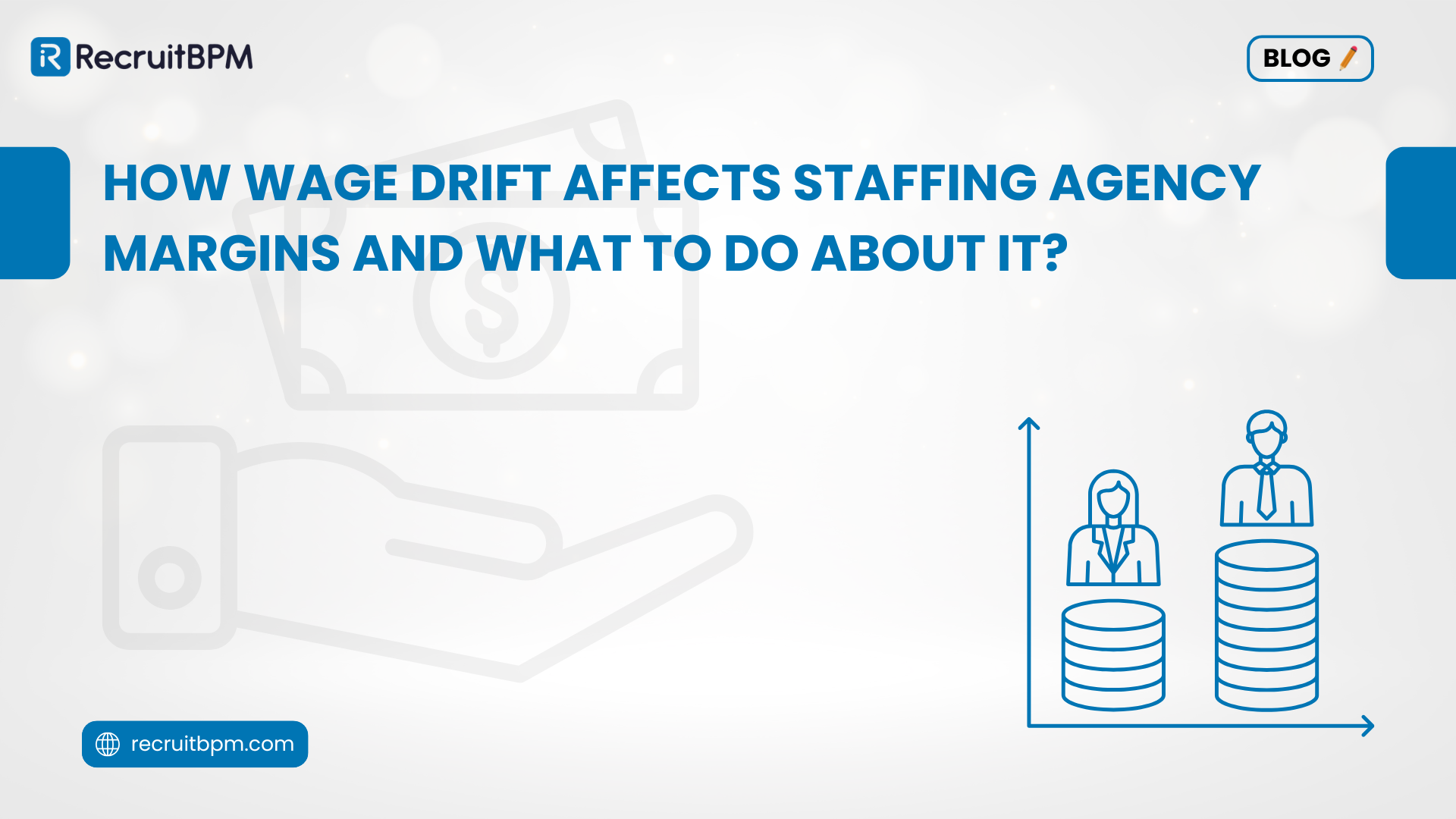
Your payroll keeps coming in higher than you budgeted. Your recruiters are performing well. Placements are up. But somehow, the margin on your income statement doesn’t reflect it. This is wage drift, and it’s one of the most common and least understood margin problems in staffing. Wage drift is the gap between what you budgeted
The counteroffer call is the moment every recruiter dreads. You’ve spent weeks building the relationship, running the process, coaching the candidate, and delivering the offer. Then comes the call: “My current employer came back with something.” What you say in the next two minutes matters more than everything that happened before it. But here’s the
Between 50% and 80% of all available jobs are never publicly posted. They’re filled through referrals, direct outreach, agency relationships, and internal promotions before a job board ever sees them. For your clients, this means the roles they most urgently need filled often live in a market they can’t reach on their own. For your
Your healthcare staffing agency is losing placements right now. Not to a better recruiter, to a slower process. Nurses accept competing offers while your team chases down expired licenses manually. Travel nurse requisitions sit unfilled because credentialing takes days instead of hours. Healthcare staffing is one of the most operationally demanding niches in the industry.
Scaling a staffing firm is not a linear process. The tools that worked at 20 recruiters don’t work at 200. The processes that served 15 clients broke under the weight of 150. And the technology that was “good enough” becomes the ceiling on your growth. For large staffing firms, enterprise talent management isn’t a nice-to-have
Absenteeism doesn’t just cost money; it costs client trust. For staffing agencies, a no-show isn’t just an HR problem. It’s a broken promise to the client who trusted you to fill that shift. The challenge is unique. You’re managing two workforces at once: your internal recruiters and account managers, and the workers you’ve placed at
A hiring freeze feels like someone cut the brakes on your growth plan. No new headcount. The existing team is stretched thin. And your best recruiters are quietly updating their resumes. For staffing agencies, the stakes are doubled. You’re managing your own internal team plus your clients’ workforces all at once. Losing a top recruiter
A client just called. They’re pausing the search. The candidate you’ve been preparing for two weeks is in your pipeline, qualified, available, and about to receive news they weren’t expecting. What you send in the next 24 hours will determine whether you keep both relationships or lose them. Hiring freezes are a recurring reality in
Reverse recruiting is everywhere in 2026, and it’s telling staffing agencies something important about what candidates actually want. Job seekers are now paying up to $15,000 to hire professionals who apply to jobs on their behalf. A Fortune article published in March 2026 documented agencies charging $1,500 per month for services that handle applications, networking,