You open a resume database, run a search, and get 4,000 results. Sounds powerful. But three hours later, you’ve contacted 40 people and heard back from two. Sound familiar? Resume databases are one of the most debated tools in talent acquisition. They promise access to millions of candidates. The reality is more complicated. For staffing
If you work in staffing or talent acquisition, you already know competition is fierce. But just how many recruiting firms are you actually competing against? The answer might surprise you. With over 72,000 recruiting companies identified worldwide and millions of individual recruiters operating across every continent, the global recruiting landscape is massive, fragmented, and growing
Your shortlist process is broken, and resumes are why. You screen 200 candidates. You interview 12. You place 3. Two of them underperform within 90 days. Sound familiar? Most staffing agencies run this cycle on repeat without questioning the inputs. Resumes tell you where someone has been. They rarely tell you what someone can actually
You can screen hundreds of resumes. You can run structured interviews. But if you’re still making final hiring calls based on gut instinct, you’re leaving real money on the table. Research consistently shows that unstructured hiring decisions produce poor role fit, and poor role fit means turnover, productivity loss, and frustrated clients. Behavioral assessments change
Hiring the wrong salesperson is expensive. Between lost pipeline, onboarding costs, and the time it takes to recruit a replacement, a single bad hire can cost a company tens of thousands of dollars, and that’s before accounting for the deals they didn’t close. The frustrating part? Most of those bad hires look great on paper.
You’ve reviewed the resume. You’ve done the phone screen. The candidate looks great on paper. But then they join the role, and within 60 days, you know something is off. This scenario costs staffing agencies more than time. A bad placement damages your client relationship, your reputation, and your bottom line. The fix isn’t interviewing
Every dollar your recruiting team spends without a clear return is a dollar your agency can’t reinvest in growth. The average cost-per-hire now sits above $4,700 across industries, and for specialized verticals like IT staffing or healthcare, that number can climb past $6,000 per placement. The question isn’t whether your hiring process costs too much.
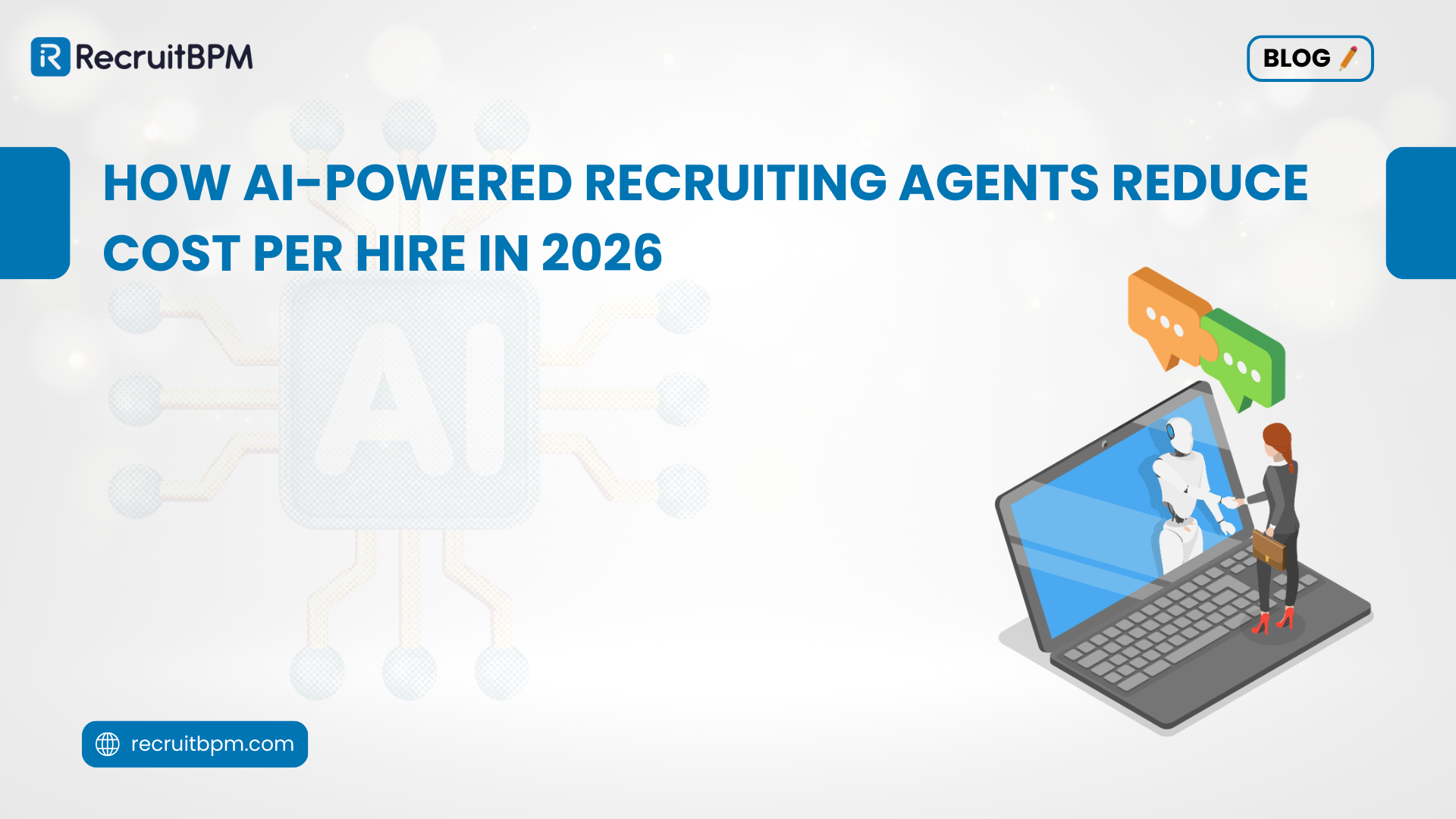
Hiring has never been cheap, but it’s gotten expensive in ways most teams don’t fully track. According to SHRM, the average cost per hire sits at roughly $4,700, and that number climbs fast when you factor in time-to-fill delays, agency fees, and the hidden cost of a bad hire. The traditional recruiting process is full
Hiring the wrong person costs more than most companies realize. Between wasted onboarding time, reduced team morale, and the expense of restarting the search, a bad hire can set your organization back months, not just dollars. The frustrating part? Most hiring mistakes are preventable. Resumes and interviews only reveal what candidates want you to see.
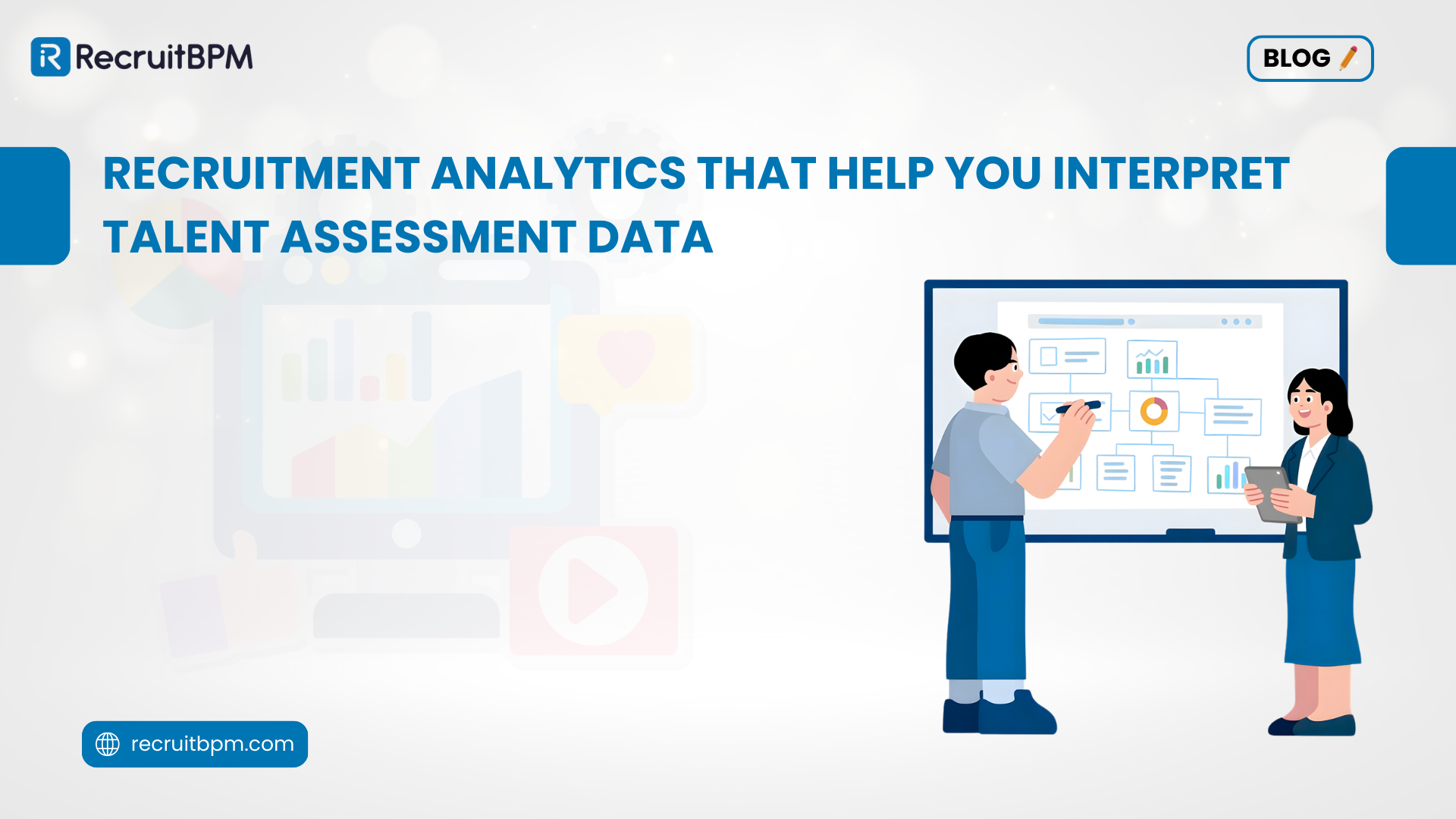
Your hiring team ran the assessments. Candidates completed the tests, submitted scores, and moved through the pipeline. Now you’re sitting on a stack of numbers, and nobody is quite sure what to do with them. This is one of the most common problems in modern recruitment. Companies invest in talent assessments but underinvest in the