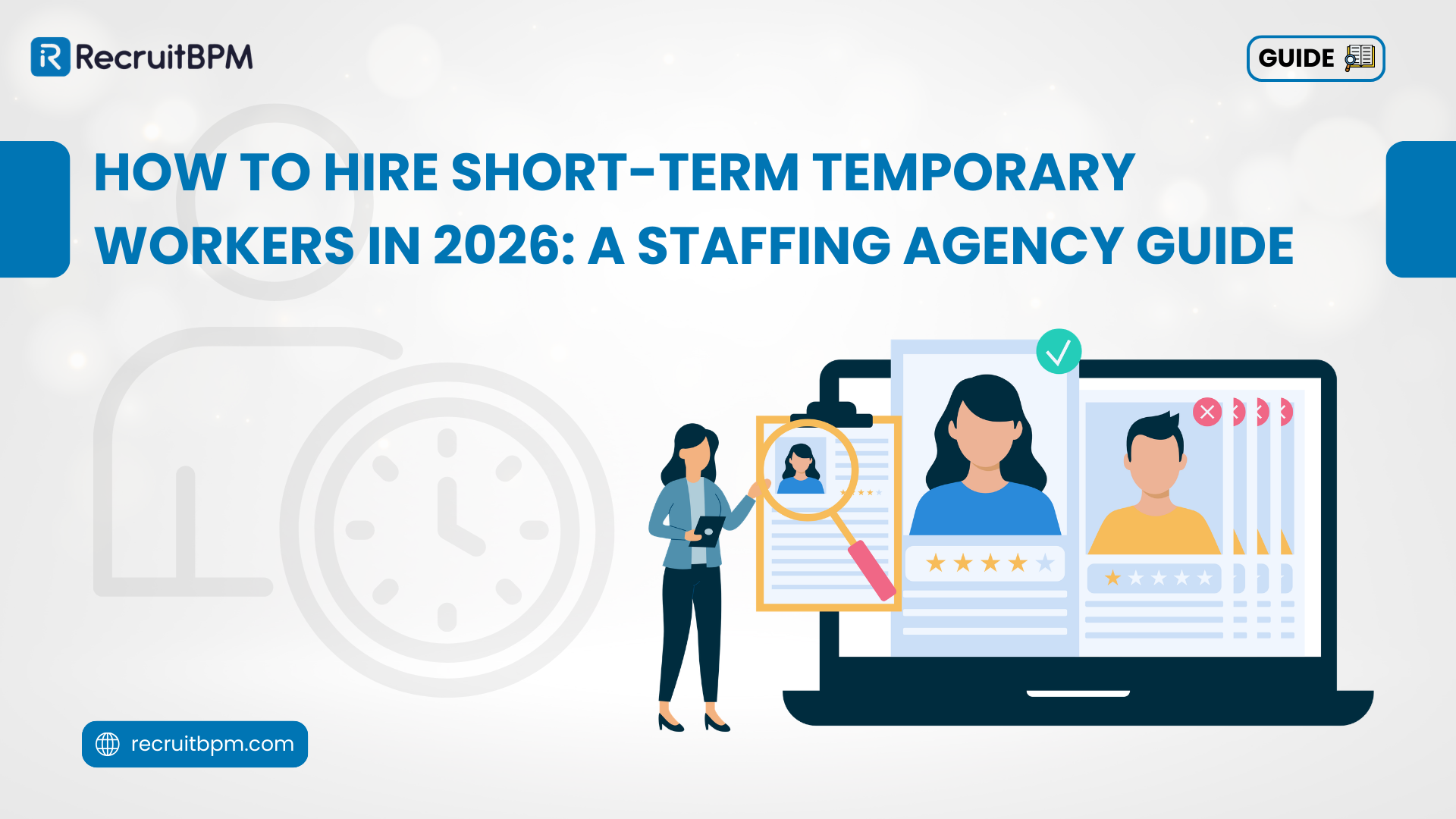
Most staffing agencies treat temporary hiring as a reactive problem, a gap to plug, a fire to put out. But that mindset is costing you placements and client trust. In 2026, the agencies winning temp business are running it like a repeatable, scalable system. This guide breaks down exactly how to hire short-term temporary workers,
We are excited to introduce several powerful improvements and new capabilities designed to make recruiting faster, smarter, and more efficient. This release focuses on AI automation, improved usability, and performance enhancements across the platform. 1. Ava – Conversational ATS Introducing Ava, a fully functional AI-powered Conversational ATS assistant. Ava interacts with recruiters, and administrators through
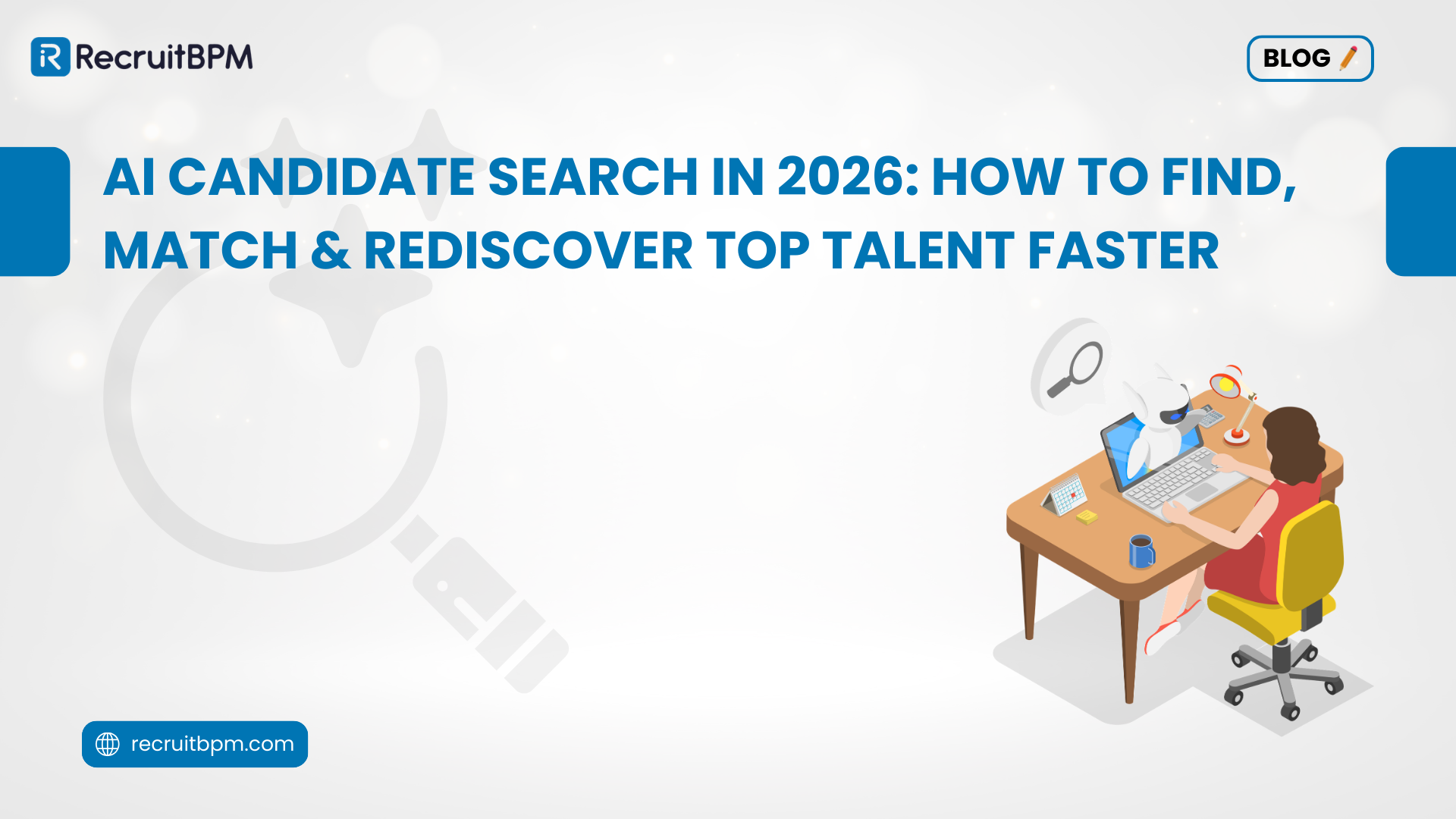
The best candidates for your next open role are online right now, browsing job boards on their phone, scrolling LinkedIn between meetings, or passively watching a company’s career page to see if the culture feels right. If your hiring process still starts with posting a job and hoping for applications, you’re already behind the companies
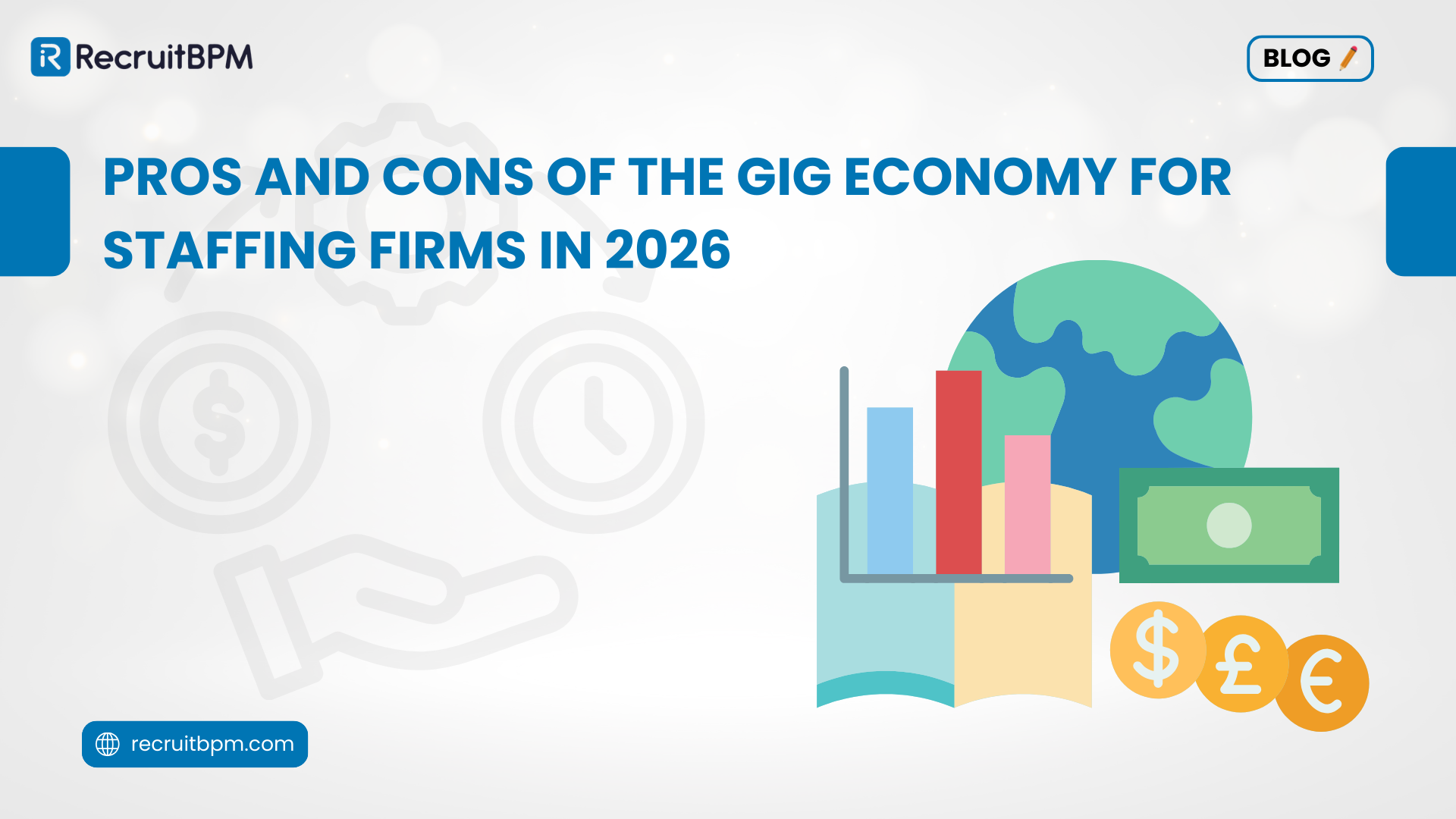
Nearly 87 million Americans are projected to freelance by 2027, roughly half the entire U.S. workforce. For staffing firms, that number isn’t just a statistic. It’s a pipeline you either build or watch a competitor claim. The gig economy has matured fast. What started as ride-sharing and food delivery has grown into a $674.1 billion
Most staffing agencies think of temporary workers as short-term fixes. A few weeks, maybe a month, then on to the next placement. But the market has shifted. Clients want extended assignments. Candidates want stability without permanence. And your agency sits right in the middle, managing something that doesn’t quite fit the “temp” label anymore. Long-term
Nearly 87 million Americans are expected to freelance by 2027, roughly half the entire US workforce. For staffing agencies, that number isn’t just a statistic. It’s a talent pipeline you either tap into or hand off to a competitor. The challenge isn’t finding gig platforms. A quick search returns dozens of them. The real challenge
Your recruiters are putting in the hours. They’re logged into four different platforms before 9 AM. They’re scrolling through job boards, cross-referencing candidate databases, copy-pasting profiles into spreadsheets, and still somehow falling behind. The problem isn’t effort. It’s search fatigue, and it’s quietly draining your agency’s productivity, placement rates, and best people. Search fatigue in
Most staffing agencies post jobs to one or two boards and hope for the best. That approach leaves thousands of qualified candidates completely unreachable. Job aggregator sites changed this equation, and understanding how they work is now a basic requirement for any agency that wants to compete for talent in 2026. This guide breaks down
Most staffing agencies treat gig workers like a short-term fix. Post a role, fill the slot, move on. But here’s what that approach misses: the global gig economy is projected to reach $674.1 billion in 2026. Around 59 million Americans currently freelance, roughly 36% of the U.S. workforce. These aren’t people jumping between one-day gigs.
Your recruiting strategy is either building your agency’s growth or quietly bleeding it dry. Most agencies running fragmented tool stacks are losing placements they should be winning. Candidate ghosts, submissions slow down, and recruiters drown in admin instead of building relationships. The staffing firms pulling ahead in 2026 aren’t hiring more people. They’re running smarter