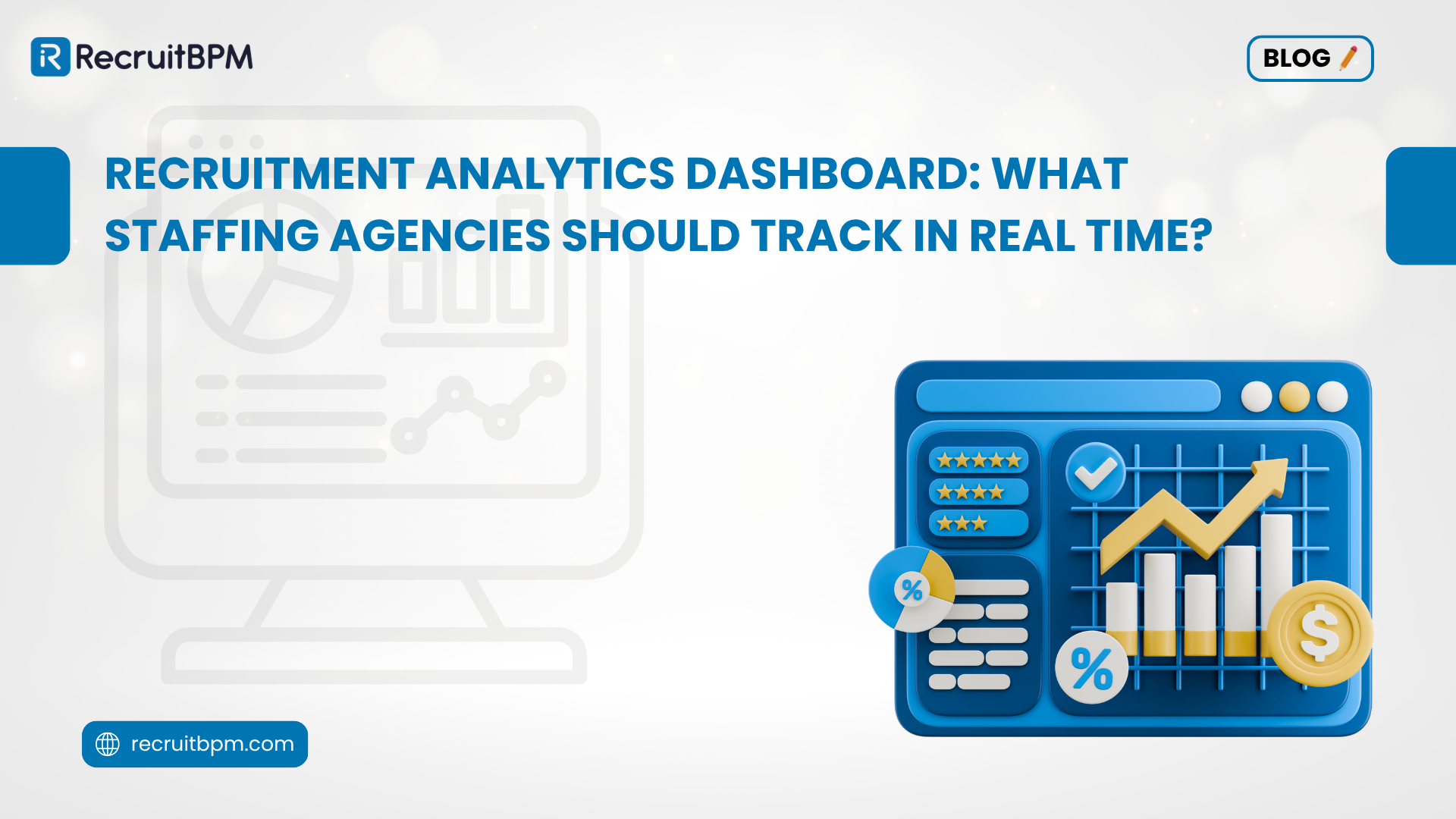
If your recruitment analytics dashboard shows you what happened last month, it’s a report, not a dashboard. Staffing agencies operate in real time: candidates move fast, clients demand speed, and pipeline problems that go unnoticed for a week become lost placements. A properly configured analytics dashboard doesn’t summarize your past performance. It tells you what’s
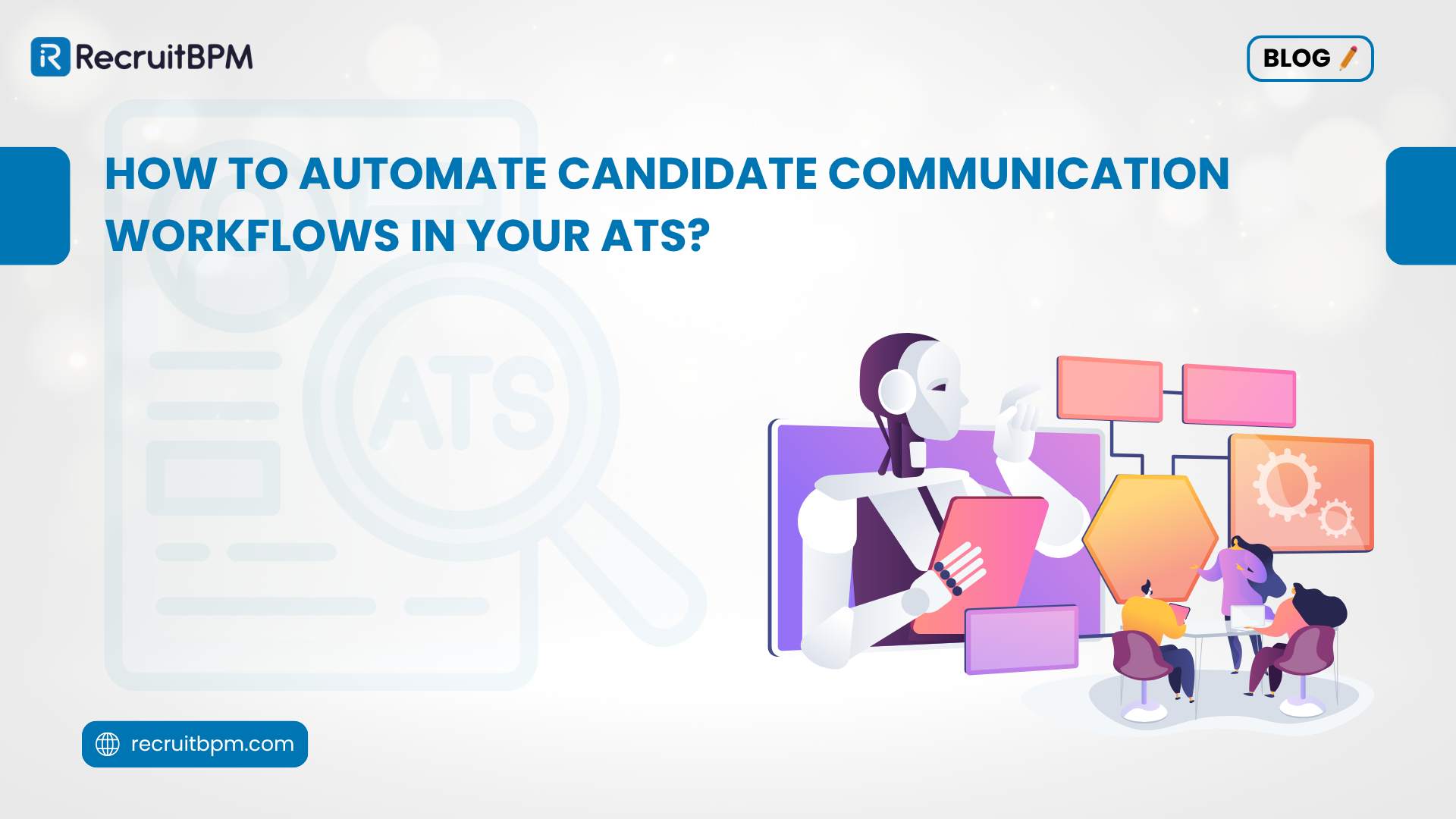
Candidates don’t ghost because they lose interest. Most of the time, they ghost because your agency stopped communicating. When recruiters are juggling 30 active requisitions, manual follow-ups fall through the gaps, and candidates move on to whoever reached out first. Automating candidate communication workflows inside your ATS is how staffing agencies solve this without adding
Your ATS should adapt to how your agency recruits, not the other way around. Yet most staffing agencies end up customizing their recruiters’ behavior to fit a rigid system, rather than configuring the system to support how they actually place candidates. This buyer’s guide breaks down what ATS workflow customization actually means for staffing agencies,
Most ATS vendors will tell you implementation takes two to four weeks. What they won’t tell you is that “implemented” and “ready to place” are two very different things. Staffing agencies that rush their ATS implementation often end up with a system their recruiters barely use and a data migration they have to redo from
Healthcare staffing agencies are expected to fill critical roles fastnurses, allied health professionals, locum physicianswhile managing credential verification, compliance documentation, and client relationships simultaneously. Most are still doing large portions of that work manually. The result is predictable: slower placements, frustrated recruiters, and clients who start looking for agencies that can move faster. The fix

You find the right candidate. You move them through the process. You’re ready to extend an offerand then they tell you they’re weighing two other options. What happens next separates average recruiters from the ones who consistently hit placement targets. Competing offers aren’t an anomaly anymore. In a tight talent market, high-demand candidates routinely enter
A common question in staffing circles: “Can we just use Indeed and skip the ATS?” It sounds reasonable. Indeed is where candidates are. It has employer tools. It tracks applications. Why pay for a separate platform? The short answer is that Indeed is not an ATS, and treating it like one creates specific, expensive problems
A candidate messages you on Indeed at 9 AM. Your recruiter is tied up in client calls until noon. By 2 PM, they respond, but the candidate has already accepted an interview from a competitor who messaged back within the hour. That placement never happened. Managing candidate messages on Indeed sounds like a simple problem.
If your staffing agency posts jobs on Indeed without an ATS integration, you’re doing double the work for half the results. Every application that comes in needs to be manually entered. Every status update has to be managed in two places. And every candidate who drops off because the application process was clunky? That’s a

Most candidates finish an interview without knowing where they stand. You walk out replaying every answer, wondering if you said the right things, whether you were too technical, not technical enough, too eager, or not eager enough. But recruiters often know within the first few minutes, sometimes before the interview even starts. The signs you’re