Recruiting the right talent requires more than one person’s perspective. Modern staffing agencies rely on collaborative hiring teams to make better placement decisions. This structured approach reduces bias, accelerates time-to-hire, and improves candidate quality.
Understanding hiring team dynamics helps your agency deliver exceptional results for clients. Let’s explore how effective team structures transform your talent acquisition process.
Hiring Team Definition
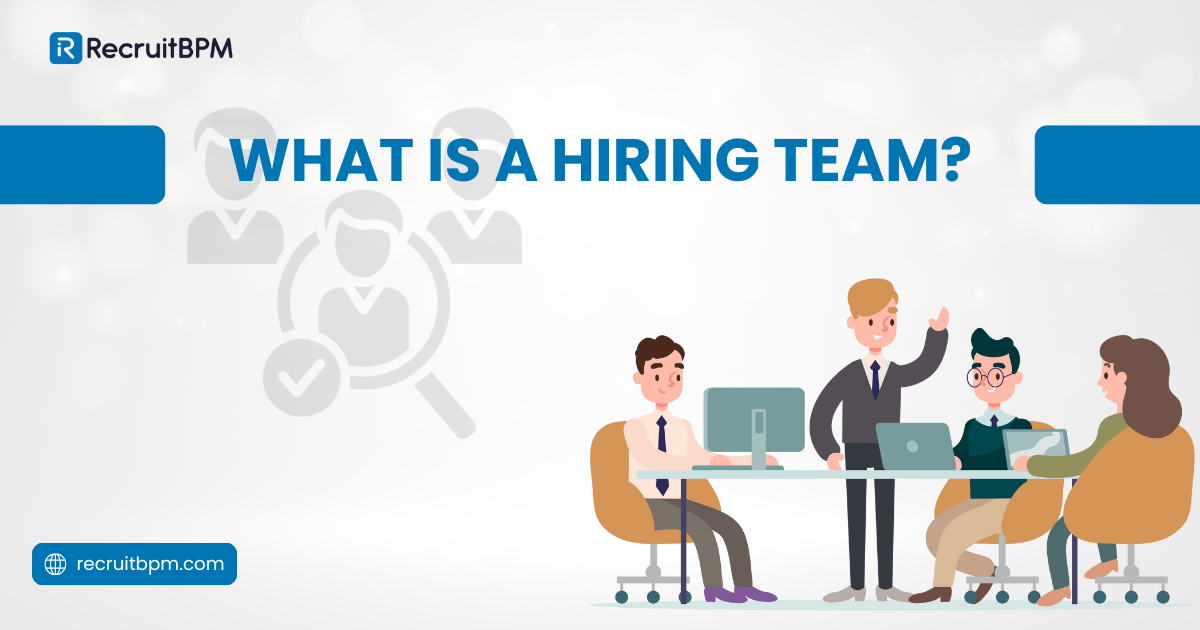
A hiring team is a group of professionals who collaborate throughout the recruitment process. These individuals work together to source, evaluate, interview, and select candidates for open positions.
Staffing agencies structure hiring teams differently from corporate HR departments. Your team focuses on client satisfaction alongside candidate placement. This dual responsibility requires specialized coordination and communication tools.
Hiring teams typically include recruiters, talent sourcers, hiring managers, and client stakeholders. Each member contributes unique expertise to evaluate candidate fit. Collaborative decision-making leads to placements that satisfy both clients and candidates.
The team approach replaces single-person hiring decisions. Multiple perspectives catch potential issues early in the process. You gain confidence knowing several experts validated each placement decision.
Core Hiring Team Roles and Responsibilities
Recruiter Responsibilities in Staffing Firms
Recruiters manage the end-to-end placement process for your agency. They source candidates, conduct initial screenings, and coordinate interviews. Your recruiters also maintain relationships with both clients and talent pools.
Key recruiter duties include:
- Creating and posting job descriptions across multiple channels
- Screening resumes and conducting phone interviews
- Presenting qualified candidates to clients
- Managing offer negotiations and placement paperwork
- Building long-term candidate relationships for future openings
Recruiters serve as the primary point of contact. They keep candidates informed throughout the hiring journey. Strong communication skills separate exceptional recruiters from average ones.
Hiring Manager vs Recruiting Manager: Key Differences
Hiring managers work on the client side. They define job requirements and make final candidate selections. These stakeholders own the open position and its success metrics.
Recruiting managers oversee your agency’s talent acquisition operations. They guide recruiter teams, optimize processes, and track performance metrics. Their focus stays internal on team productivity and efficiency.
The distinction matters for staffing agencies. You coordinate between your recruiting team and client hiring managers. Clear role definitions prevent confusion during complex placements.
Talent Sourcer and Recruiting Coordinator Roles
Talent sourcers specialize in finding passive candidates. They research prospects, build talent pipelines, and engage potential hires. Sourcers use advanced search techniques across LinkedIn, job boards, and professional networks.
Recruiting coordinators handle logistical and administrative tasks. They schedule interviews, track candidate progress, and maintain your applicant tracking system. Coordinators ensure smooth workflows while recruiters focus on relationship building.
These specialized roles increase your team’s efficiency. Recruiters concentrate on high-value activities while coordinators manage operational details. This division of labor accelerates placements without sacrificing quality.
CEO/Leadership Involvement in Hiring Decisions
Leadership involvement varies by placement level and client relationship. Executive searches require senior team member participation. Your CEO or practice leaders bring a strategic perspective to high-stakes placements.
Leadership can showcase your agency’s expertise and values. They answer candidate questions about company vision and industry insights. This involvement enhances your employer brand during competitive searches.
Benefits of Collaborative Hiring Teams
Reduced Unconscious Bias in Candidate Selection
Multiple evaluators catch biases that single interviewers miss. Different backgrounds and perspectives create more objective assessments. Your team collectively identifies the best candidate rather than personal preferences.
Structured evaluation frameworks reduce bias further. Standard scorecards ensure consistent candidate assessment. Each team member evaluates specific competencies within their expertise area.
Diverse hiring teams produce diverse placements. Clients increasingly demand inclusive hiring practices. Your collaborative approach demonstrates commitment to equitable candidate evaluation.
Faster Time-to-Hire with Coordinated Workflows
Team coordination eliminates bottlenecks in your placement process. Clear role definitions prevent duplicate work and confusion. Automated workflows keep everyone aligned on candidate status.
Parallel processing accelerates placements. While one recruiter screens candidates, sourcers build a pipeline for future roles. Coordinators schedule interviews without waiting for recruiter’s availability.
Faster placements improve client satisfaction and agency revenue. You fill positions before competitors present their candidates. Speed becomes a competitive advantage in tight talent markets.
Improved Quality of Hire Through Diverse Perspectives
Different team members assess various candidate attributes. Technical experts evaluate skills while culture specialists assess fit. This comprehensive evaluation improves placement success rates.
Client feedback validates team-based decisions. Placements made by collaborative teams show higher retention rates. Fewer bad hires protect your agency’s reputation and reduce replacement costs.
Quality placements lead to repeat business and referrals. Satisfied clients become long-term partners. Your hiring team’s thoroughness directly impacts agency growth.
Enhanced Candidate Experience and Employer Brand
Organized hiring teams create professional candidate experiences. Consistent communication and timely feedback demonstrate respect. Candidates remember smooth processes even when not selected.
Your employer brand extends to candidate interactions. Positive experiences generate referrals and strengthen talent pipelines. Candidates become brand ambassadors within their professional networks.
Well-coordinated teams answer candidate questions quickly. Multiple touchpoints throughout the process build trust. This professionalism differentiates your agency from competitors.
Hiring Team Challenges in Staffing Agencies
Scheduling Conflicts Across Multiple Stakeholders
Coordinating calendars becomes complex with larger teams. Client availability rarely aligns perfectly with internal schedules. Interview delays frustrate candidates and slow your placement velocity.
Technology solutions minimize scheduling friction. Automated scheduling tools find mutual availability instantly. Candidates self-schedule within predefined windows that work for your team.
Maintaining Evaluation Consistency Among Team Members
Different evaluators may emphasize different candidate qualities. Inconsistent standards lead to disagreements and delayed decisions. Your team needs shared frameworks for objective assessment.
Training programs align team members on evaluation criteria. Regular calibration sessions ensure everyone interprets competencies similarly. Documentation of assessment standards provides reference points during discussions.
Communication Gaps Between Internal and External Teams
Information silos emerge between your agency and client organizations. Miscommunication about requirements leads to mismatched candidate presentations. Regular updates keep all stakeholders informed.
Centralized communication platforms solve this challenge. Shared visibility into candidate status prevents duplicate outreach. Clients access real-time updates without constant phone calls.
Managing Disagreements in Candidate Assessments
Conflicting opinions on candidates are inevitable with diverse teams. Strong personalities may dominate discussions without proper facilitation. Your process needs mechanisms for productive debate and resolution.
Data-driven assessments reduce subjective disagreements. Scoring systems provide objective comparison points. When opinions differ, refer back to documented requirements and evaluation criteria.
How RecruitBPM Streamlines Hiring Team Collaboration?
Unified ATS+CRM for Seamless Team Coordination
RecruitBPM combines applicant tracking and client relationship management in one platform. Your team accesses candidate information and client requirements without switching systems. This integration eliminates data silos that slow placements.
Real-time updates keep everyone informed on candidate status. Recruiters, sourcers, and coordinators see identical information simultaneously. No more email chains trying to determine the current placement stage.
Client portals provide transparency throughout the hiring process. Stakeholders review candidates, provide feedback, and schedule interviews independently. Self-service capabilities reduce your team’s administrative burden.
Automated Workflow Management for Recruiting Teams
Automation handles repetitive tasks so your team focuses on relationships. Candidate emails, interview reminders, and status updates are sent automatically. Your recruiters spend time building connections instead of sending routine messages.
Customizable workflows adapt to different client requirements. Some placements need multiple interview rounds, while others move quickly. RecruitBPM flexes to match your process without forcing rigid structures.
Task assignments ensure nothing falls through the cracks. The system reminds team members of pending actions. Accountability increases when everyone knows their responsibilities.
Real-Time Collaboration Tools for Staffing Agencies
Internal messaging keeps team discussions organized by candidate. Comment threads provide context without cluttering email inboxes. New team members quickly understand candidate history.
Document sharing centralizes resumes, assessments, and feedback. Everyone reviews identical candidate materials. Version control prevents confusion about which resume version is current.
Mobile access enables collaboration from anywhere. Your team responds to urgent client requests even when out of the office. Flexibility improves responsiveness during competitive placements.
Customizable Hiring Pipelines for Team Efficiency
RecruitBPM adapts to your agency’s unique processes. Configure pipeline stages that match your methodology. Different client types or job categories use appropriate workflows.
Visual pipeline views show placement progress instantly. Identify bottlenecks before they delay placements. Team leaders spot problems and reallocate resources proactively.
Analytics reveal which pipeline stages take the longest. Data-driven insights guide process improvements. Continuous optimization accelerates your average time-to-fill.
Hiring Team Best Practices
Leveraging AI for Candidate Screening and Matching
AI-powered tools analyze resumes faster than manual review. Machine learning identifies qualified candidates you might otherwise miss. Your team evaluates AI-surfaced talent instead of sorting hundreds of applications.
Smart matching algorithms suggest candidates from your existing database. Past placements inform future recommendations. You maximize value from talent pools you’ve already invested in building.
Measuring Hiring Team Performance with Key Metrics
Track time-to-fill, quality of hire, and candidate satisfaction scores. These metrics reveal team effectiveness objectively. Regular reporting creates accountability and highlights improvement opportunities.
Compare metrics across different team members and clients. Identify top performers and learn from their approaches. Data-driven coaching improves overall team performance.
Monitor offer acceptance rates and first-year retention. These indicators validate your team’s assessment accuracy. Low retention suggests misalignment between candidates and placements.
Improving Communication Between Recruiters and Hiring Managers
Schedule regular check-ins with key client stakeholders. Proactive communication builds trust and prevents misunderstandings. You understand client’s needs more deeply through consistent dialogue.
Document client preferences and pain points centrally. New team members access this institutional knowledge immediately. Consistent service quality regardless of which recruiter handles the account.
Scaling Hiring Teams for Agency Growth
Start with core roles: recruiters, sourcers, and coordinators. Add specialized positions as placement volume increases. Over-hiring too early strains resources without improving results.
Cross-train team members on multiple functions. Flexibility allows resource reallocation during demand fluctuations. Your agency adapts quickly to changing client needs.
Invest in technology before adding headcount. Automation often solves problems that seem to require more people. RecruitBPM’s efficiency tools multiply your existing team’s output.
Frequently Asked Questions
How many people should be on a hiring team?
Team size depends on placement complexity and client requirements. Simple placements may need only a recruiter and a client hiring manager. Executive searches require larger teams, including multiple interviewers and senior leaders.
What’s the difference between internal and external hiring teams?
Internal teams work within a single organization for their own openings. External teams at staffing agencies place candidates for multiple client companies. Your agency coordinates between both groups.
How do staffing agencies structure recruiting teams?
Most agencies use specialized roles: recruiters, sourcers, coordinators, and practice leaders. Some organize by industry vertical or geographic region. Structure depends on agency size and client concentration.
What tools help hiring teams collaborate effectively?
Integrated ATS+CRM platforms like RecruitBPM provide essential collaboration features. Communication tools, shared candidate databases, and automated workflows keep teams coordinated. Mobile access ensures responsiveness regardless of location.
Transform Your Hiring Team’s Performance
Collaborative hiring teams outperform individual recruiters consistently. Multiple perspectives reduce bias and improve placement quality. Your agency delivers better results when teams work in coordination.
Technology amplifies your team’s capabilities exponentially. RecruitBPM’s unified platform eliminates the friction that slows placements. Your recruiters focus on relationships while automation handles administrative tasks.
Modern staffing agencies need modern tools. Integrated workflows, real-time collaboration, and AI-powered insights become competitive necessities. Agencies using fragmented systems cannot match your efficiency.
Ready to see how RecruitBPM transforms hiring team performance? Schedule a demo to discover how our platform streamlines collaboration for staffing agencies. Your team deserves tools built specifically for their workflows.