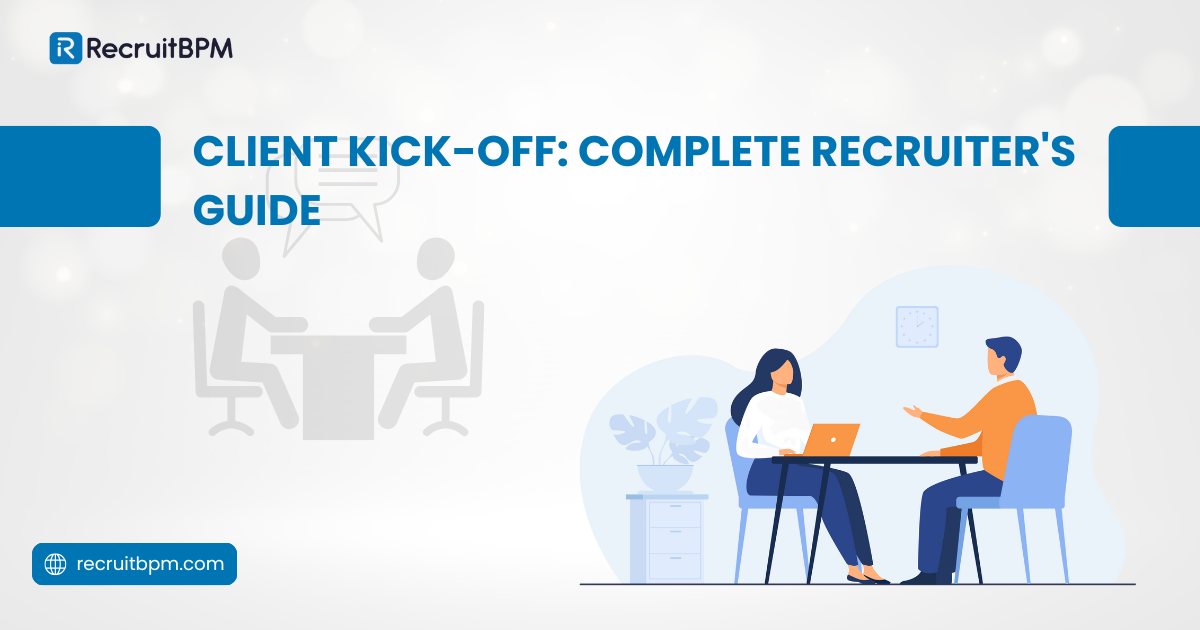
A client kick-off is the initial meeting between recruiters and new clients. It establishes the foundation for successful talent acquisition partnerships. This meeting aligns expectations, defines processes, and builds working relationships.
The kick-off sets the tone for your entire engagement. It’s where you transform contracts into collaborative partnerships. First impressions made here influence project success significantly.
Why Client Kick-Offs Matter?
Setting Clear Expectations
Misaligned expectations create most recruitment failures. Kick-off meetings prevent miscommunication from the start. Both parties leave with a shared understanding of goals and processes.
Clear expectations reduce friction during candidate searches. Everyone knows timelines, communication preferences, and success criteria. This clarity accelerates hiring and improves satisfaction.
Building Trust
Personal connections strengthen business relationships. Face-to-face or video meetings humanize professional interactions. Trust established early makes difficult conversations easier later.
Clients who trust their recruiters communicate more openly. They share honest feedback and realistic constraints. This transparency leads to better candidate matches.
Gathering Critical Information
Detailed company and role information improves sourcing accuracy. Cultural insights help identify candidates who’ll thrive. Understanding decision-making processes prevents bottlenecks.
The more you learn upfront, the better you perform. Deep discovery conversations pay dividends throughout engagements. Information gathered here directly impacts placement success.
Pre-Kick-Off Preparation
Research the Client
Study the company website, social media, and recent news. Understand their industry, competitors, and market position. Familiarize yourself with their products or services.
LinkedIn research reveals company culture and employee tenure. Glassdoor reviews provide insider perspectives. This preparation demonstrates professionalism and genuine interest.
Prepare Discussion Materials
Create an agenda covering all essential topics. Develop questions tailored to the specific role. Prepare examples of similar successful placements.
Bring template documents like job descriptions and candidate profiles. Visual aids help explain your process clearly. Professional materials reflect your operational excellence.
Technical Setup
Test video conferencing technology beforehand. Ensure screen sharing works if presenting materials. Have backup communication methods ready.
Choose quiet locations free from interruptions. Good audio quality shows respect for the client’s time. Technical proficiency builds confidence in your capabilities.
Essential Kick-Off Meeting Components
Introductions and Relationship Building
Start with personal introductions beyond titles. Share relevant background that builds credibility. Ask clients about their roles and responsibilities.
Spend time on rapport before diving into business. People work better with those they like. This investment pays returns throughout the partnership.
Company Overview Discussion
Ask clients to describe their organization’s mission. Understand their growth trajectory and future plans. Learn about company culture and values.
Discuss team dynamics where the hire will work. Identify key personalities the candidate will interact with. This context informs candidate assessment approaches.
Detailed Role Requirements
Review the job description line by line. Clarify must-have versus nice-to-have qualifications. Discuss how requirements might flex for exceptional candidates.
Ask about day-to-day responsibilities and priorities. Understand how success gets measured in this role. Learn about career progression opportunities available.
Ideal Candidate Profile
Explore beyond skills to personality and work style. Discuss candidates who’ve succeeded previously in similar roles. Identify characteristics of team members who thrived.
Ask about candidates who didn’t work out. Understanding failures prevents repeating mistakes. These conversations reveal unstated cultural requirements.
Compensation and Benefits
Discuss salary ranges and total compensation packages. Clarify the flexibility on compensation for perfect candidates. Understand benefits, bonuses, and equity offerings.
Ask about non-monetary perks and work arrangements. Remote work options affect candidate attraction significantly. Comprehensive compensation understanding improves candidate conversations.
Hiring Process and Timeline
Map out every step from submission to offer. Identify decision-makers at each stage. Understand typical timeframes for each phase.
Discuss how many candidates they want to see. Clarify feedback mechanisms and schedules. Set realistic expectations about market conditions.
Communication Preferences
Establish preferred communication channels and frequency. Determine best times for calls or meetings. Set expectations for response times.
Agree on update cadence even without candidates. Regular communication maintains engagement and trust. Silence creates anxiety and weakens relationships.
Competitive Landscape Discussion
Talk openly about competing opportunities candidates might see. Discuss what makes this role attractive. Identify potential objections and how to address them.
Understanding competition helps position opportunities effectively. Honest conversations about challenges build credibility. Clients appreciate realistic assessments over false optimism.
Advanced Kick-Off Strategies
Stakeholder Mapping
Identify everyone involved in hiring decisions. Understand each person’s priorities and concerns. Map influence levels to navigate approvals effectively.
Different stakeholders value different candidate attributes. Technical leaders focus on skills while HR emphasizes culture fit. Addressing all perspectives improves candidate success.
Success Metrics Definition
Agree on how you’ll measure recruitment success. Beyond filling the role, what outcomes matter most? Define quality-of-hire criteria clearly.
Discuss key performance indicators like time-to-fill and candidate satisfaction. Establish baseline expectations for reasonable metrics. Shared definitions prevent future disagreements.
Contingency Planning
Discuss what happens if initial searches prove difficult. Establish when to revisit requirements or compensation. Plan for market realities that affect searches.
Proactive contingency conversations prevent panic reactions. Clients appreciate strategic thinking about potential challenges. These discussions demonstrate experience and professionalism.
Common Kick-Off Mistakes to Avoid
Talking More Than Listening
Nervous recruiters sometimes over-explain their processes. Let clients talk about their needs extensively. Your role is discovering, not presenting.
Ask open-ended questions that encourage elaboration. Listen actively and take detailed notes. Understanding comes from hearing, not speaking.
Skipping Cultural Assessment
Skills matching is insufficient for successful placements. Cultural misalignment causes most hiring failures. Invest time in understanding the workplace environment and values.
Ask about decision-making styles and communication norms. Understand how conflict gets handled. These insights predict long-term candidate success.
Making Unrealistic Promises
Desperation to win business leads to overcommitment. Be honest about challenging requirements or tight timelines. Realistic expectations preserve credibility and trust.
Clients value honesty over false assurances. Admit when requirements might be difficult. Offer strategic alternatives rather than impossible guarantees.
Neglecting Next Steps
End meetings with clear action items and deadlines. Confirm what each party will do next. Ambiguous endings create confusion and delays.
Schedule follow-up meetings before leaving. Confirm contact information for key stakeholders. Immediate action demonstrates professionalism and urgency.
Post-Kick-Off Actions
Send Meeting Summary
Document everything discussed in detailed meeting notes. Highlight agreed-upon requirements and processes. Send within 24 hours while details are fresh.
Include action items with assigned owners and deadlines. Confirm understanding of all key points. This documentation prevents future misunderstandings.
Create Search Strategy
Develop a comprehensive sourcing plan based on kick-off insights. Identify target companies and talent pools. Plan your approach to engaging passive candidates.
Share your strategy with clients for alignment. Their input might reveal additional sources. Collaborative planning strengthens partnerships.
Update Internal Systems
Input all client information into your CRM or ATS. Tag requirements and preferences for easy reference. Ensure your team can access critical details.
Proper documentation enables team collaboration. Anyone should be able to continue if you’re unavailable. Systematic information management reflects operational excellence.
Virtual Kick-Off Best Practices
Engagement Techniques
Virtual meetings require extra effort to maintain engagement. Use polls or questions to encourage participation. Share screens to review documents together.
Break longer meetings into shorter segments. Allow time for questions and discussion. Active facilitation prevents passive observation.
Technology Leverage
Use collaborative tools like shared documents or digital whiteboards. Record meetings with permission for future reference. Send materials digitally before and after meetings.
Virtual platforms enable better documentation. Screenshots and recordings preserve important details. Technology should enhance rather than hinder communication.
Measuring Kick-Off Effectiveness
Immediate Indicators
Clients should leave energized about the partnership. They should clearly understand the next steps. Questions should be answered comprehensively.
You should have detailed notes covering all requirements. Confidence in your ability to deliver should be high. Both parties should feel aligned.
Long-Term Validation
Successful searches validate good kick-offs. Quick placements indicate accurate requirement understanding. Client satisfaction reflects the relationship foundation.
Track which kick-off elements correlate with success. Continuously improve your approach based on results. Great kick-offs predict great outcomes.
Integration with Recruitment Technology
ATS Documentation
Record all kick-off details in your applicant tracking system. Tag jobs with client preferences and priorities. Ensure searchable notes for future reference.
Workflow automation can trigger post-kick-off tasks. Reminders keep you accountable to commitments. Technology should support relationship management.
CRM Utilization
Customer relationship management systems track client interactions. Note preferences and communication history. Build comprehensive client profiles over time.
Strong CRM usage enables personalized service. Reference past conversations to strengthen relationships. Data-driven relationship management scales effectively.
Key Takeaways
Client kick-offs establish foundations for successful recruiting partnerships. Thorough preparation demonstrates professionalism and builds confidence. Active listening uncovers insights that improve candidate matching.
Clear communication prevents misunderstandings that derail searches. Documented agreements create accountability for both parties. Strong kick-offs correlate directly with placement success.
Invest time in comprehensive discovery conversations. Balance efficiency with thoroughness in information gathering. The effort invested here pays dividends throughout engagements.
Continuous improvement of your kick-off process matters. Learn from both successes and failures. Great recruiters master this critical first step.